For college students exploring career paths, skilled trades offer a practical, hands-on route into industries where advanced materials play a central role.
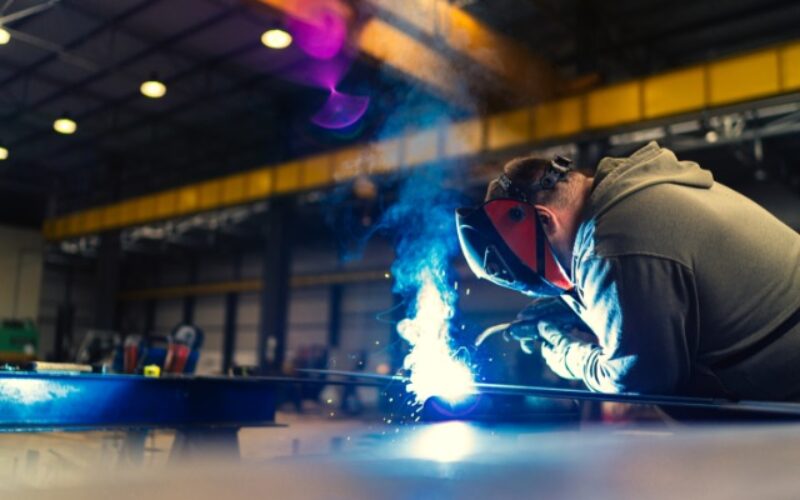
Welding and Fabrication
Welding remains one of the most essential trades tied to advanced materials. Today’s welders work with engineered metals designed for strength, corrosion resistance, or heat tolerance.
Precision is critical, especially when working on infrastructure or industrial equipment. Welders use different techniques depending on the material and environment. Students interested in this field can benefit from understanding how welding methods vary by material and application, especially as they explore how to use advanced metals across industries.
Aerospace and Aviation Technicians
Aircraft systems rely heavily on lightweight, yet durable materials like titanium and composite blends. Technicians in this field must understand how these materials perform over time in high-stress environments.
Key Responsibilities
- Inspecting structural components for wear or fatigue
- Repairing specialized materials without compromising integrity
- Following strict safety and engineering standards
As aviation technology evolves, so does the need for technicians who can handle increasingly complex material systems.
Electrical and Electronics Technicians
Electrical trades have also shifted toward advanced materials, as conductive metals and heat-resistant coatings now play a major role in system reliability. Understanding how these materials perform over time helps technicians prevent overheating, signal disruption, and long-term degradation.
Where Materials Are Applied
- High-performance wiring in data centers
- Durable components in renewable energy systems
- Miniaturized materials in consumer electronics
Automotive and EV Specialists
The rise of electric vehicles has changed the materials used in automotive design, requiring technicians to handle increasingly specialized components with precision.
Technicians working in this space must adapt to new systems while maintaining traditional mechanical knowledge. This blend of evolving technology and foundational skills makes it one of the more dynamic options among the top skilled trades that rely on advanced materials.
Construction and Infrastructure Trades
Construction professionals increasingly work with engineered materials designed for sustainability and durability, requiring a deeper understanding of how these materials perform in real-world conditions.
Common Applications
- Bridges and public infrastructure
- Energy-efficient buildings
- Modular construction systems
Workers must understand not only how to use these materials but also how they interact over time under environmental stress.
Why These Trades Stand Out
Exploring the top skilled trades that rely on advanced materials reveals a common thread: adaptability. As industries evolve, materials become more specialized, and trades people must keep pace with new techniques and standards. This ability to adjust on the job is part of what keeps these roles relevant across changing industries.
Looking Ahead
For students and educators, these careers offer a clear pathway into industries where innovation meets practical skill. With the right training, these roles provide opportunities to work on projects that shape everything from transportation to technology. As advanced materials continue to influence modern industry, demand for workers who can apply technical knowledge in hands-on settings will likely continue to grow.
Image Credentials: kerkezz, 328426460
end of post … please share it!
-------------------------------------------------------------------------------------------------------------
end of post idea
-------------------------------------------------------------------------------------------------------------
view home improvement ideas at our Photo Remodeling center
Helpful article? Leave us a quick comment below.
And please share this article within your social networks.