
For some students, the idea of spending an entire career behind a desk is less than appealing. College can provide a path into office-based professions, but it can also prepare students for careers built around fieldwork, changing environments, physical activity, and hands-on problem-solving.
Exploring career options for students who enjoy working outdoors can reveal jobs in industries that students may not encounter during a typical career fair. Some require four-year degrees, while others place greater emphasis on technical training, certifications, apprenticeships, or a combination of classroom and practical education.
Environmental Science and Conservation
Students interested in science and the natural world may want to consider environmental careers. Environmental scientists, conservation professionals, and field technicians can spend significant portions of their workdays collecting samples, monitoring ecosystems, inspecting various sites, and documenting environmental conditions.
The amount of outdoor work varies by position. Some professionals split their schedules between field assignments and offices or laboratories, making these careers worth investigating carefully if working outside is a priority.
College students can prepare through majors such as environmental science, biology, geology, ecology, or natural resources. Internships with government agencies, environmental organizations, consulting firms, or research programs can provide a clearer picture of what the fieldwork is actually like.
Forestry and Arboriculture
Forestry offers another combination of science and practical outdoor work. Foresters may assess forest health, help manage natural resources, examine fire risks, support timber operations, or contribute to conservation projects.
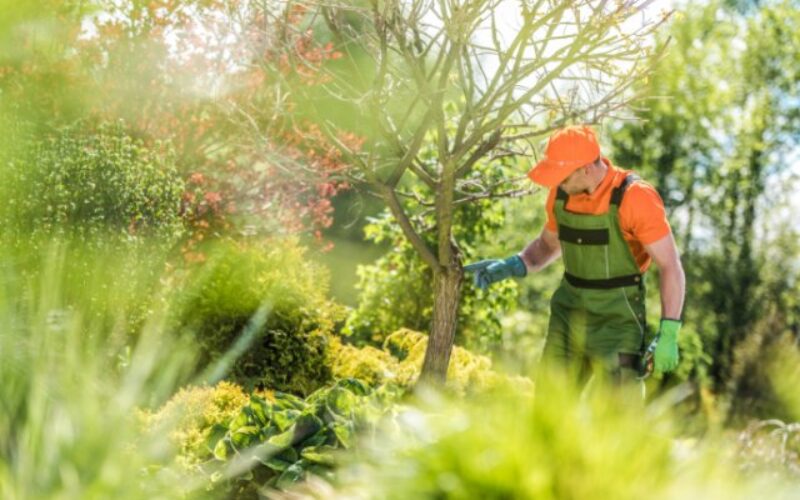
Arboriculture focuses more specifically on trees, particularly their care and management. Depending on the position, arborists may inspect trees, prune branches, diagnose tree health problems, operate equipment, or climb as part of their work.
These professions require more than simply enjoying nature. Students should be prepared to learn about safety, plant science, equipment, environmental conditions, and land management practices.
Surveying and Mapping
Surveying can appeal to students who enjoy technology but do not want to spend every day working indoors. Survey crews gather precise measurements that help establish property boundaries and support construction, engineering, infrastructure, and development projects.
Modern surveying involves sophisticated equipment and digital technology, but fieldwork still remains important. A surveyor might spend one day working around a construction site and another gathering measurements across undeveloped land.
Requirements vary by role and state, particularly for licensed professional surveyors. Students considering this direction should investigate the education, supervised experience, and licensing requirements where they plan to work.
Construction and the Skilled Trades
Construction includes a broad range of careers, from carpentry and electrical work to equipment operation and project supervision. Many positions provide the hands-on environment outdoor-oriented students are looking for without requiring the same educational route as traditional office professions.
Training pathways within this field differ considerably. Some careers are entered through apprenticeships or technical programs, while construction management and engineering positions may require college degrees.
Students should also remember that outdoor work means dealing with the weather. Heat, cold, rain, and changing jobsite conditions can all be part of the routine. Safety procedures and personal protective equipment are also fundamental parts of working on construction sites.
Rope Access and Work-at-Height Careers
Students who are comfortable with heights and interested in highly technical physical work may encounter rope access as a less familiar career possibility. Rope access technicians use specialized systems to reach locations that can be difficult to access through conventional methods.
The work can support industries such as wind energy, infrastructure, industrial maintenance, telecommunications, and inspection. Entering the field involves much more than being comfortable climbing; professional training, equipment knowledge, physical conditioning, safety procedures, and rescue skills are central to the occupation.
Students curious about the field can seek resources to learn more about what to expect when considering a rope access career, including its training and physical demands. For students interested in combining technical skills with changing worksites, this type of specialized occupation demonstrates how broad the category of outdoor work can be.
Agriculture and Horticulture
Agriculture has evolved into a technology-driven industry offering opportunities far beyond traditional farm ownership. Careers can involve crop production, agricultural technology, soil science, irrigation, equipment, research, and farm management.
Horticulture offers additional paths involving plants, landscaping, nurseries, public gardens, parks, and grounds management. College campuses themselves sometimes employ students in landscaping or grounds departments, providing a convenient opportunity to experience this kind of work before graduation. Students interested in these careers can explore programs in agriculture, horticulture, plant science, agribusiness, or related disciplines.
Parks, Recreation, and Outdoor Education
National, state, and local parks create employment opportunities for people interested in public lands and recreation. Depending on the position, work might involve maintaining trails, supporting visitor programs, protecting natural areas, assisting with recreation programs, or educating the public.
Outdoor education can also lead to work with camps, recreation programs, environmental centers, and adventure organizations. Communication and leadership abilities are especially valuable because many positions involve working directly with visitors, students, or groups.
Seasonal employment can be particularly useful for college students. A summer position can provide practical experience while allowing students to determine whether they want to pursue the field in the long term.
Think Beyond the Job Title
Finding satisfying outdoor work requires more than choosing a career simply because it sounds adventurous. Students should consider how much time a position actually involves outdoors, what physical demands it carries, whether travel is common, and how working conditions might change throughout the year.
It is also useful to investigate educational requirements early. One outdoor career may require a bachelor’s degree, while another might be more accessible through certification, an apprenticeship, technical school, or employer-based training. Internships, summer jobs, campus employment, volunteering, and informational interviews can help students test their assumptions before they commit to a particular direction of employment.
Ultimately, career options for students who enjoy working outdoors extend across science, infrastructure, natural resources, agriculture, skilled trades, recreation, and specialized technical fields. Understanding the everyday realities behind each occupation can help students choose an education and training path that fits not only their interests, but also the type of working life they want after college.
Image Credentials: By Tomasz Zajda, 269629566
-------------------------------------------------------------------------------------------------------------
end of post idea
-------------------------------------------------------------------------------------------------------------
view home improvement ideas at our Photo Remodeling center
Helpful article? Leave us a quick comment below.
And please share this article within your social networks.