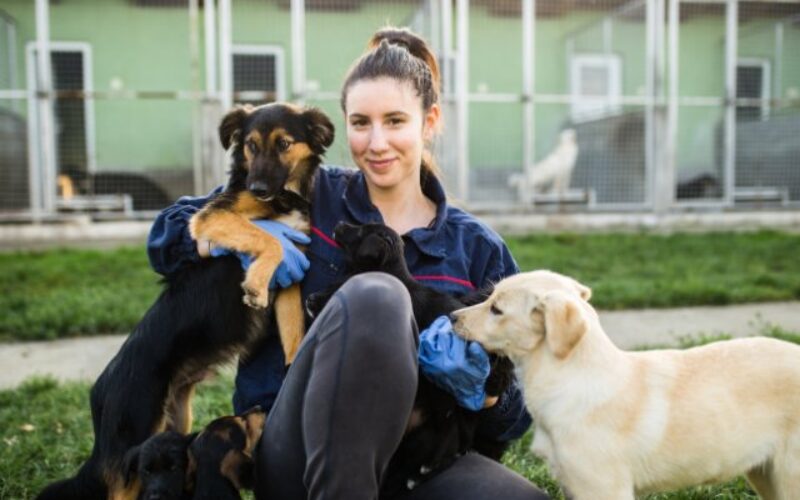

Many people who love animals dream of becoming a veterinarian. But there are more jobs that involve working with animals than you may realize! From caring for injured wildlife to training police dogs, there are plenty of opportunities to turn your interest in animals into a career.
Veterinary Technician
Veterinary technicians work alongside veterinarians to care for animals receiving medical treatment. They assist with examinations and perform certain procedures under veterinary supervision.
For example, a veterinary technician may collect blood samples to help diagnose an illness. They also monitor animals recovering from surgery and communicate with pet owners about their care.
Most veterinary technicians complete an accredited veterinary technology program and pass a credentialing examination. You’ll need to become comfortable handling animals that are frightened or experiencing pain, since not every patient will cooperate during treatment.
Wildlife Rehabilitator
Wildlife rehabilitators care for injured or orphaned wild animals until they’re healthy enough to return to their natural habitats.
A rehabilitator might receive an injured hawk that needs treatment before it can fly again. Throughout its recovery, they’ll monitor its condition while limiting unnecessary human interaction.
This career requires specialized knowledge of wildlife behavior and rehabilitation techniques. Depending on your location, you’ll also need permits to handle certain species. Volunteering at a licensed wildlife rehabilitation center provides an opportunity to gain experience.
Zookeeper
Zookeepers care for animals living in zoos and other wildlife facilities. Their responsibilities extend beyond feeding animals because each species has specific physical and behavioral needs.
For instance, a zookeeper working with elephants may create enrichment activities that encourage the animals to use their trunks to investigate their surroundings. These activities promote behaviors they’d perform in the wild.
Zookeepers also observe animals closely for changes in their health or behavior. Many facilities prefer applicants with degrees in zoology or animal science, although previous animal care experience is equally beneficial.
K9 Police Officer
K9 officers work alongside specially trained police dogs to assist with law enforcement duties. Becoming a K9 officer typically requires joining a police department and gaining patrol experience first.
After qualifying for a canine unit, you’ll learn how to handle your assigned dog and guide it through exercises such as obedience training. Once you’ve completed the required training, you’ll work together during police operations.
Depending on your department, your dog may specialize in detecting illegal substances or locating missing people.
Because officers typically care for their assigned dogs outside working hours, this career involves a major personal commitment.
Marine Mammal Trainer
Marine mammal trainers work with animals such as dolphins in accredited aquariums and marine facilities. Their responsibilities center on animal welfare and training that supports daily care.
For example, trainers may teach a dolphin to voluntarily present its tail for a blood sample. This behavior allows veterinary professionals to perform medical procedures with less stress for the animal.
Training sessions rely on positive reinforcement, which rewards animals for completing requested behaviors.
A degree in marine biology or a related field provides useful preparation. However, hands-on animal care experience remains an essential qualification.
Professional Dog Groomer
Professional dog groomers keep dogs comfortable by maintaining their coats and providing routine grooming services. Their work requires patience because some dogs become nervous during appointments.
Beyond bathing and trimming fur, groomers need to recognize potential skin problems that owners haven’t noticed. They can then recommend that the owner consult a veterinarian.
You don’t need a college degree to become a dog groomer. Many professionals develop their abilities through grooming schools or apprenticeships.
Experienced groomers may eventually open their own businesses, giving them greater control over their schedules and clientele.
Animal Behaviorist
Animal behaviorists study why animals behave certain ways and develop strategies to address behavioral problems. Their work requires understanding how animals respond to their surroundings.
For example, an animal behaviorist may investigate why a dog displays aggression toward unfamiliar visitors. By examining the circumstances surrounding these reactions, they can identify potential triggers and recommend behavioral interventions.
Some professionals work directly with pet owners, while others conduct academic studies.
Advanced positions generally require graduate education in animal behavior or a related discipline. This career suits people who enjoy studying the science behind animal behavior.
Equine Dental Technician
Horses require routine dental care because their teeth continually erupt throughout much of their lives. Uneven wear can create sharp points that interfere with comfortable chewing.
Equine dental technicians focus on identifying dental abnormalities and performing permitted dental maintenance. Their responsibilities depend on local veterinary regulations.
An equine dental technician may examine a horse that’s struggling to chew properly and identify an area requiring veterinary assessment.
This career requires specialized training in equine anatomy and safe handling techniques. Since dental care involves working inside a large animal’s mouth, proper restraint and professional supervision are essential.
Conservation Biologist
Conservation biologists study wildlife populations and investigate environmental threats affecting their survival. Their findings contribute to efforts that protect vulnerable species.
A conservation biologist studying sea turtles, for example, may monitor nesting activity to determine whether local populations are recovering.
Fieldwork sometimes involves traveling to remote habitats, although professionals also spend time analyzing information and preparing reports.
Most positions require a bachelor’s degree in biology or a related scientific field. Advanced positions may require graduate education.
If you’re interested in protecting animals through scientific work, this career offers opportunities beyond traditional animal care.
Animal Shelter Coordinator
Animal shelter coordinators oversee daily operations at facilities that care for homeless animals. Their responsibilities include organizing care routines and coordinating adoption activities.
For example, a coordinator may match an available volunteer with a dog that needs additional socialization before adoption. They also work with staff to address animals’ individual needs.
Shelter environments can become emotionally demanding, particularly when facilities struggle with overcrowding.
However, the opportunity to assist animals in finding permanent homes makes this career rewarding. Previous shelter experience and organizational abilities provide a useful foundation for advancing into this position.
Pet Photographer
Pet photographers specialize in capturing photographs of animals for their owners or commercial clients. Unlike traditional portrait subjects, animals don’t understand instructions about staying still.
Successful pet photographers learn to anticipate animal behavior and work around each pet’s personality.
For example, photographing an energetic puppy requires patience and the ability to capture brief moments of stillness.
You’ll need photography experience and an understanding of animal handling to succeed in this career. Building a portfolio of animal photographs can attract clients, and freelance work offers opportunities to establish your own business.
Find a Career That Fits Your Love for Animals
Choosing a career involving animals starts with understanding what kind of work interests you most. Some positions involve direct animal care throughout the day, while others focus on understanding animal behavior or protecting wildlife.
As you explore jobs that let you work with animals, consider volunteering at an animal shelter or another organization related to your interests. Firsthand experience gives you a better understanding of the responsibilities involved before you commit to a particular career.
You may find that your ideal job involves an animal you’ve never even considered working with before!
Image Credentials: hedgehog94, 233995940
-------------------------------------------------------------------------------------------------------------
end of post idea
-------------------------------------------------------------------------------------------------------------
view home improvement ideas at our Photo Remodeling center
Helpful article? Leave us a quick comment below.
And please share this article within your social networks.