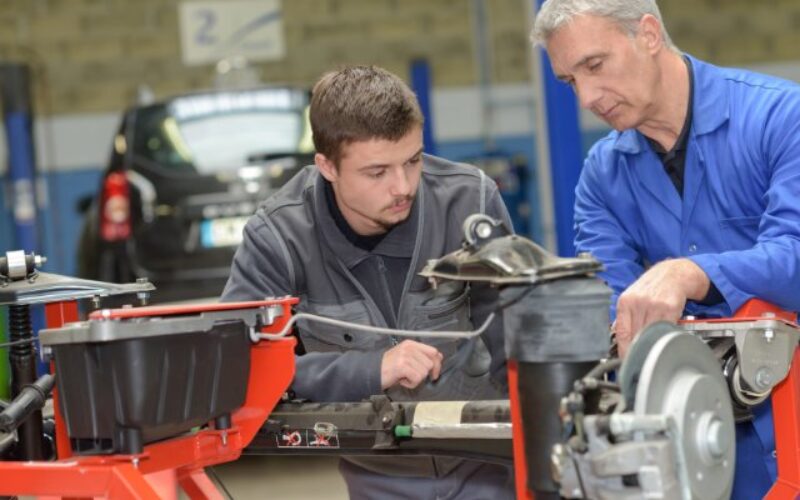

You can understand an automotive system in class and still find yourself unsure when you must diagnose a real problem. That gap matters because working on a vehicle requires you to connect technical knowledge with what you observe during an inspection or test. Developing hands-on skills as a future automotive technician helps you turn classroom concepts into practical habits you can carry into a shop.
Turn Theory Into Practical Work
Automotive courses give you the technical foundation you need to understand what happens inside a vehicle. During lab work, you get the chance to apply that knowledge as you inspect components and test vehicle systems. That’s why automotive training often combines technical instruction with practical work.
You’ll get more from that practice when you approach each task as a problem to understand rather than a procedure to memorize. If you know why a test matters, you can interpret the result instead of simply completing another step. That approach becomes increasingly important as you work with systems that combine mechanical operation with electronic controls.
Build Strong Diagnostic Habits
A warning light or unusual engine response may tell you that something requires attention, but it doesn’t necessarily identify the cause. Good diagnostic work requires you to gather information and test your assumptions. Instead of replacing the first component associated with a trouble code, you need to determine what the available evidence supports.
You can practice this mindset during lab assignments by asking what each test confirms. A scan tool may provide a trouble code or live data, while a multimeter can help you investigate an electrical circuit. When you compare each result with expected system behavior, you can narrow down the cause rather than guess.
Understand the System First
You’ll make better diagnostic decisions when you understand the relationship between individual components. Modern engine controls provide a useful example because an electrical command can trigger a mechanical or hydraulic response elsewhere in the system.
Variable valve timing shows why that distinction matters. In many VVT systems, the engine computer controls a variable valve timing solenoid that meters pressurized oil, while a cam phaser uses that hydraulic pressure to change camshaft position. Understanding that relationship helps you determine whether an electrical command produces the expected mechanical response during engine diagnostics.
Get Comfortable With Diagnostic Tools
You don’t need to master every piece of shop equipment immediately. You do need to understand what a tool measures and what its readings mean in the context of the system you’re testing. That knowledge keeps you from relying on the tool as a substitute for your own reasoning.
Scan tools offer a good example. They can give you access to diagnostic information from vehicle control systems, but you still have to interpret the results. Automotive programs also teach students to use multimeters and oscilloscopes because different tests reveal different types of information about electrical operation.
Practice Careful Tool Use
Basic hand-tool skills may seem less complicated than electronic diagnostics, but they deserve the same attention. You need to choose the correct tool for each task and use it in a way that protects the component you’re servicing. Repetition can help you become more deliberate instead of rushing through familiar work.
Good habits also make more advanced tasks easier later. When careful tool use becomes routine, you can devote more attention to understanding the repair itself. You’re developing consistency, not simply speed.
Treat Information as a Tool
A technician doesn’t work from memory alone. Vehicle systems differ, so the correct procedure for one model may not apply to another. You need to be comfortable consulting the correct service information for specifications and testing procedures.
This habit matters when you work with electronically controlled engine systems. A VVT design, for example, can differ between engines, so you shouldn’t assume every system uses the same commanded positions or diagnostic process. Using the correct service information helps you base your decisions on the vehicle in front of you rather than on assumptions.
Develop Electrical Testing Skills
Modern automotive work requires you to understand basic electrical behavior rather than treating electricity as a separate specialty. You may need to trace a circuit or determine whether a component receives the electrical input it needs. College automotive programs commonly incorporate electrical diagnosis into hands-on technician training.
Useful practice may include:
- Reading wiring diagrams before testing a circuit
- Using a multimeter to check relevant electrical values
- Comparing scan data with expected system behavior
- Following service information during diagnostic work
- Recording results instead of relying on memory
Work Through Problems Methodically
Automotive diagnostics can become frustrating when several possible causes produce similar symptoms. A methodical process helps you avoid jumping between unrelated possibilities. You can use the available information to choose a relevant test, then let the result guide your next step.
This approach also helps you explain your reasoning. If an instructor asks why you performed a particular test, you should have a stronger answer than “that’s the next step.” Explaining what you expected the test to confirm can expose gaps in your understanding while you still have guidance available.
Let Mistakes Improve Your Process
Hands-on training gives you room to identify weak spots in your technique. You might choose an ineffective test or misinterpret a reading, but correcting that mistake can show you where your reasoning went off course. The important part is understanding why your original approach didn’t work.
Ask yourself what information you overlooked and what you’d check differently next time. That reflection turns one lab exercise into experience you can apply to future problems. You’re training yourself to recognize patterns without assuming that two similar symptoms always share the same cause.
Prepare for the Shop Environment
Your technical education becomes more useful when you treat lab work as preparation for professional expectations. That means completing each task carefully while understanding the reason behind each step. Hands-on training gives you opportunities to apply classroom instruction to the type of work you may encounter in an automotive role.
You’ll continue building your hands-on automotive skills long after you leave school. If you use your time on campus to practice careful testing and disciplined problem-solving, you’ll leave with something more valuable than a collection of completed assignments: a reliable way to approach unfamiliar automotive problems.
Image Credentials: auremar, 632545634
-------------------------------------------------------------------------------------------------------------
end of post idea
-------------------------------------------------------------------------------------------------------------
view home improvement ideas at our Photo Remodeling center
Helpful article? Leave us a quick comment below.
And please share this article within your social networks.