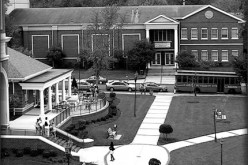
A strong business course should move beyond theory and show students how daily decisions affect time, cost, and service. Read on to find out how colleges can teach real business efficiency.
Start With How Work Actually Moves
Students learn business efficiency best when they study a task from its first request to its final result. A campus office gives them a useful place to begin because the setting already feels familiar. Instead of speaking in broad terms about productivity, instructors can ask students to closely follow one process and describe what happens at each step. That kind of close review helps students notice delays that a written policy may not reveal.
In larger workplaces, unclear workflows are one of the biggest challenges large businesses face in process improvements, as small points of confusion spread quickly. A missed handoff can slow service, create duplicate work, and leave teams unsure who is responsible for the next step.
Teach Students to Map Responsibility
A process map helps students turn a messy routine into something they can understand. The map should use plain language and show who handles each step. Students do not need complex software to learn this skill. They need a clear view of where responsibility changes hands and where a task can lose momentum.
Often, a strong classroom exercise can ask students to review one campus process and answer a few focused questions:
- Where does the task begin?
- Who makes the next decision?
- What information must move forward?
Use Campus Problems as Practice
Colleges can also teach real business efficiency by addressing campus problems. Students can study how one office handles service requests or how one department manages event approvals. A familiar setting lets them focus on the process itself rather than spend most of the assignment learning a new business background.
Instructors should ask students to recommend one improvement at a time. A narrow recommendation teaches discipline because it requires students to define the problem before they propose a fix. For example, a student might suggest a clearer handoff between two offices. That type of change feels realistic and teaches students that business improvement often comes from steady attention to how people share responsibility.
Connect Efficiency to Workplace Readiness
Students who understand efficiency bring better judgment into the workplace. They know how to study a process before blaming a person or assuming a tool will solve the problem. That habit helps them recognize when a delay comes from an unclear handoff, a missing decision point, or a task that no one fully owns.
Colleges can build that habit through assignments that require observation, analysis, and a short recommendation. The strongest work should explain where the process slows and how one change could improve it. When students learn to clarify responsibility early, they can help future teams reduce delays before confusion becomes routine.
Image Credentials: saksit, 325495130
end of post … please share it!
PAYING FOR COLLEGE: getting the aid you need
-------------------------------------------------------------------------------------------------------------
end of post idea
-------------------------------------------------------------------------------------------------------------
view home improvement ideas at our Photo Remodeling center
Helpful article? Leave us a quick comment below.
And please share this article within your social networks.