If your goal is to bring a little bit of the outdoors into your daily student life, setting up a secure window bird feeder with the appropriate seeds and a regular cleaning routine is the easiest way to invite local wildlife right to your dorm or apartment window. You do not need a sprawling backyard to enjoy the calming presence of songbirds.
Transforming your window into a thriving bird oasis offers a wonderful mental break between classes and study sessions. It provides a front-row seat to the fascinating behaviors of local wildlife, fostering a sense of peace and harmony in an otherwise stressful college environment.
Creating this tiny sanctuary requires just a few thoughtful steps, from picking the right equipment to understanding the ethical responsibilities of feeding wild animals.
Choosing The Perfect Feeder
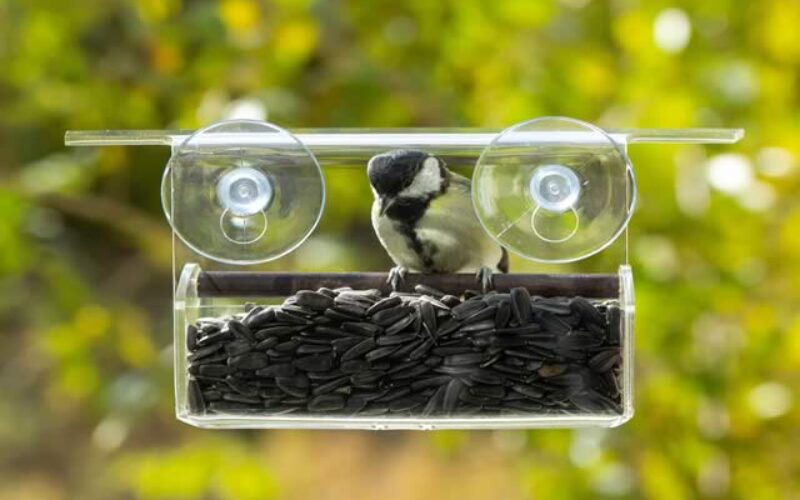
When living in a college dorm or a rented apartment, you are usually restricted by rules regarding what you can attach to the exterior of the building. Window bird feeders are the ideal solution because they rely on heavy-duty suction cups rather than nails or screws, ensuring no damage is left behind.
You will want to look for a feeder made of clear, durable acrylic. This material provides an unobstructed view of the birds while being sturdy enough to withstand wind and rain.
A good window feeder should also feature drainage holes at the bottom of the seed tray. Moisture can cause seeds to spoil quickly, and proper drainage ensures the food stays dry and safe for the birds to consume.
Opting for a feeder with a removable tray also makes your weekly cleaning chores significantly easier, allowing you to simply slide out the tray, wash it, and pop it back in without detaching the entire unit from your window.
Selecting The Right Seed
The type of seed you offer directly dictates the variety of birds you will attract to your window. Black-oil sunflower seed is widely considered the gold standard for bird feeding.

Its thin shell is easy for smaller birds to crack, and the high fat content provides essential energy for a wide variety of species, including chickadees, finches, and cardinals. If you want to offer just one type of food, this is your best option.
If you are dealing with a messy balcony or strict dorm rules regarding debris, consider using hulled sunflower seeds or sunflower hearts. Because the shells are already removed, the birds leave absolutely no mess behind on the ground below.
You can also mix in some safflower seed, which is loved by many songbirds but generally ignored by squirrels and larger, more aggressive birds.
Optimal Placement For Safety
Where you place your feeder is just as important as what you put inside it. Window collisions are a significant hazard for wild birds. By placing the feeder directly on the glass, birds are forced to slow down before landing, drastically reducing the risk of a high-speed collision with the window.
You should also consider the environmental exposure of your chosen window. A window that faces east or southeast will provide lovely morning sunlight and protect the feeder from harsh afternoon heat, which can sometimes degrade the seeds.
Ensure the window is relatively quiet and away from sudden, loud noises or heavy foot traffic inside your room, as sudden movements can easily spook your new feathered visitors.
Essential Maintenance Practices
Keeping your bird feeder clean is a vital responsibility. A dirty feeder can easily become a breeding ground for harmful bacteria and avian diseases. You should plan to clean your window feeder at least once every two weeks, and even more frequently during periods of heavy rain or high humidity.
To clean the feeder properly, empty out any old or damp seed and wash the entire unit using a solution of one part white vinegar to nine parts warm water. This natural cleaning solution is highly effective at neutralizing bacteria and is completely safe for the birds.
Scrub away any stuck debris with a stiff brush, rinse the feeder thoroughly with clean water, and allow it to dry completely before refilling it with fresh seed.
Troubleshooting Common Challenges
Feeding birds often comes with a few minor hurdles, especially in a shared living environment like an apartment complex. If you find that squirrels or larger nuisance birds are dominating your feeder, try switching your seed blend entirely to safflower seed, which these unwanted guests typically dislike.
Another common issue is a lack of initial visitors. Birds rely heavily on sight and habit to find food sources. It can sometimes take several weeks for local birds to discover a new window feeder.
You can help them along by temporarily scattering a tiny amount of seed on the nearby windowsill or a nearby balcony railing to catch their attention. Patience is key during the first few weeks of setup.
Enjoying Wildlife Responsibly
Harmonious coexistence with nature means understanding your impact on the local ecosystem. Keep your cat indoors, or at the very least, keep them out of the room where the bird feeder is located. A window feeder can cause undue stress to birds if a predatory animal is constantly batting at the glass from the inside.
Furthermore, respect the natural diet of the birds. Never offer bread, crackers, or human junk food, as these provide zero nutritional value and can cause severe health issues for the birds.
By providing high-quality seeds and maintaining a clean environment, you are acting as a responsible steward of the natural world, right from your college desk.
other related articles of interest:
Finding Your Perfect Fit: Navigating College Program Flexibility
A Rewarding Connection
Setting up a window bird feeder is a simple, highly rewarding project that brings a vibrant slice of the natural world directly into your college life.
Taking a few moments each day to watch a chickadee select the perfect sunflower seed or a cardinal perch gracefully on your window offers a grounding perspective that textbooks simply cannot provide.
By choosing the right equipment, offering nutritious food, and committing to basic hygiene practices, you will create a safe and welcoming oasis for local wildlife. Start your bird-feeding journey today, and enjoy the beautiful, feathered company that will soon arrive at your window.
Image Credit: by envato.com
end of post … please share it!
PAYING FOR COLLEGE: getting the aid you need
-------------------------------------------------------------------------------------------------------------
end of post idea
-------------------------------------------------------------------------------------------------------------
view home improvement ideas at our Photo Remodeling center
Helpful article? Leave us a quick comment below.
And please share this article within your social networks.