A proactive approach to campus security doesn’t limit your college experience; it protects it. By building smart, consistent safety habits from day one, you create the foundation for four years of growth, success, and peace of mind.
According to data cited by the National Center for Education Statistics (July 2024), college campuses report fewer than 17 crime incidents per 10,000 full-time students annually—a relatively low rate.
Even so, that figure represents real incidents affecting real people. Understanding how to protect yourself is not about living in fear. It’s about making informed choices that keep you safe while you thrive.
Personal Safety On Campus
One of the most practical tools available to students is the campus escort service. Many universities offer free, on-demand escort programs that connect students with trained personnel who accompany them safely from one campus location to another. If your institution offers this service, use it without hesitation, particularly during late-night library sessions or early-morning commutes across campus.
When an escort service is not available, walking with a friend or a group is the next best option. There is genuine safety in numbers, and this habit becomes especially important after dark. Choose routes that are well-lit and heavily trafficked, even if that means adding a few extra minutes to your walk. Familiar, populated paths reduce vulnerability significantly.
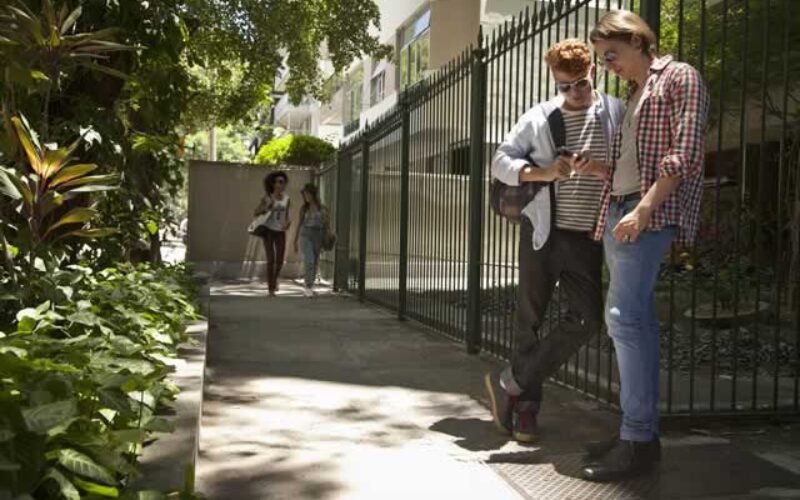
Situational awareness is a skill that takes practice but pays dividends in every area of your life. Walking with your head up and your phone in your pocket rather than in your hand keeps you attuned to the environment around you.
If something feels wrong, trust that instinct. Campus safety experts consistently note that your gut rarely misleads you—act on it.
Residence Security
Whether you live in a campus dormitory or an off-campus apartment, your personal living space requires the same level of security attention.
For students in dormitories, the rule is straightforward: lock your door every time you leave, even for a brief trip down the hall. Dr. Ben Stickle, a criminal justice expert at SafeWise, notes that unlocked dorm rooms are among the most common targets for opportunistic theft on college campuses.
Never prop exterior doors open, and never admit someone you do not recognize into a secure building, regardless of how plausible their explanation sounds. Report suspicious activity to your resident advisor or campus security immediately.
For students choosing to live off campus, an apartment offers genuine advantages—greater privacy, the freedom to cook your own meals, and the ability to establish your own household routines.
Many off-campus apartments also include amenities such as private bathrooms, fitness centers, and communal spaces that enhance daily life. Living with trusted friends rather than randomly assigned strangers adds another layer of comfort and consistency.
However, apartment living also shifts security responsibility squarely onto your shoulders. Unlike a dormitory, there is no resident advisor monitoring the building or institutional security infrastructure monitoring common areas.
This means you must be deliberate. Ensure all entry doors and windows are properly locked, invest in a quality deadbolt if your landlord permits it, and verify that smoke and carbon monoxide detectors are functioning before you move in.
When it comes to the cost of apartment living, the financial flexibility it offers is real—but so is the personal responsibility that comes with it. Approach both with equal seriousness.
Regardless of where you live, protect your valuables. Laptops, student ID cards, and prescription medications should never be left unattended or in plain sight, even within a space that feels familiar and safe.
Emergency Preparedness
Emergencies are, by definition, unexpected. The difference between a manageable crisis and a dangerous one often comes down to preparation made long before anything goes wrong.
Keep your phone charged throughout the day. A dead battery at the wrong moment can eliminate your primary line of communication when you need it most.
Save your campus security number, the local non-emergency police line, and at least two trusted personal contacts as labeled favorites in your phone. The Clery Center also recommends clearly labeling an ICE (In Case of Emergency) contact in your phone’s settings and ensuring that this information is accessible even when the device is locked.
Make a habit of carrying your essential documents whenever you leave your residence: a student ID, a government-issued photo ID, and any relevant medical cards. If you have a medical condition that requires emergency treatment, consider a medical alert bracelet as an additional precaution.
Most campuses are equipped with Blue Light emergency call boxes at regular intervals across the grounds. Take a few minutes during your first week on campus to locate these stations along the routes you travel most frequently. Knowing where they are before you need them makes all the difference.
Building A Safety Network
Personal safety is rarely a solo endeavor. The most resilient students build a network of people around them who are invested in each other’s well-being.
Start close to home. Sit down with your roommates—whether in a dorm or an apartment—and establish shared safety practices. Who has a spare key? What is the plan if someone feels unsafe returning home late?
These conversations can feel awkward at first, but they create a culture of mutual accountability that benefits everyone.
Introduce yourself to your resident advisor if you live on campus. RAs are trained resources who can assist with everything from noise complaints to genuine safety concerns.
Similarly, many campus security departments offer personal introductions, safety orientations, and even free self-defense courses. Attend these when they are offered. The knowledge you gain, and the relationships you build, extend far beyond the classroom.
Looking out for fellow students is equally important. The Clery Center’s 2021 College Safety Survey found that 82% of students report concerns about their personal safety, yet meaningful safety conversations remain underutilized.
When students actively watch out for one another—recognizing signs of distress, speaking up about suspicious behavior, and supporting friends in difficult situations—the entire campus community becomes safer as a result.
Your Safety Is The Foundation
Implementing these practices allows you to engage fully with college life—the friendships, the learning, and the independence—without compromising the security that makes all of it possible.
Safety habits formed now will serve you long after graduation, establishing a mindset of awareness, preparation, and community that follows you into every chapter of adult life.
You have worked hard
Image Credit: campus safety tips by envato.com
end of post … please share it!
PAYING FOR COLLEGE: getting the aid you need
-------------------------------------------------------------------------------------------------------------
end of post idea
-------------------------------------------------------------------------------------------------------------
view home improvement ideas at our Photo Remodeling center