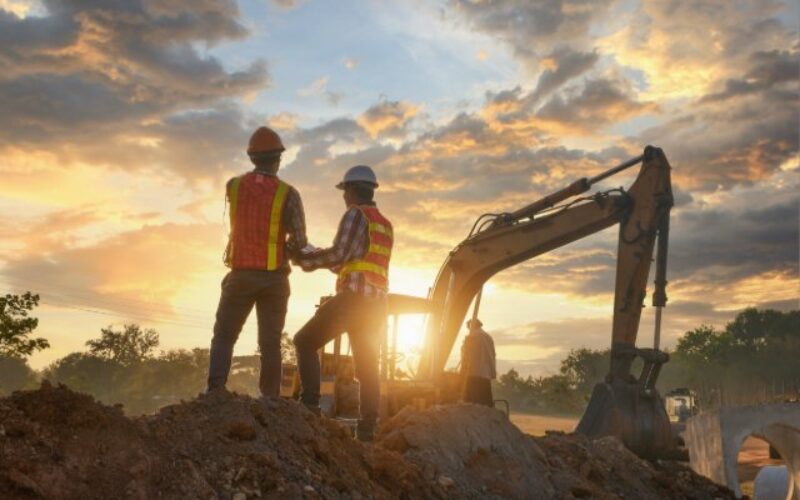
Here are the top things to do when preparing a construction site.
Review the Site Before Work Begins
A site review gives the project team a practical view of the land before work begins. During the walk-through, the team can look closely at surface conditions that may affect equipment movement or require changes to the setup plan. Uneven ground can delay early work, especially when crews need to bring in heavy machinery safely.
Campus settings add pressure because people continue to move through nearby spaces as the project gets underway. The team should study foot traffic near the site and create a route that students can follow without confusion. Clear access planning keeps the project organized while limiting disruption to daily campus life.
Confirm Utilities and Ground Conditions
Utility checks should happen before crews dig, especially on a site where older infrastructure may sit close to active buildings. The team needs accurate information about underground power lines because a single mistake can create a serious hazard and stop the project immediately.
Ground conditions also shape the early schedule, as soft soil may require additional support before equipment enters the site. When underground work is involved, knowing how to overcome horizontal directional drilling challenges helps the team plan safer routes and reduce installation delays. It also gives crews more confidence when working near existing utilities or active campus areas.
Set Clear Safety Boundaries
When you prepare a construction site, you should also set clear safety boundaries. Fencing should guide people away from active work while preserving normal movement as much as the site allows. Signs should also use direct language, especially near walkways where pedestrians need to make quick decisions.
Before construction begins, the site team should review safety expectations so that crews respond to hazards consistently. All workers also need a clear point of contact when access changes affect nearby buildings or scheduled activities.
Organize Access for Crews and Materials
Material delivery can cause problems when trucks arrive without a route that fits the campus layout. The project team should choose an entry point that keeps vehicles away from the busiest student paths, then schedule deliveries for periods when nearby walkways are less crowded.
Good construction site preparation also includes a secure storage area that protects supplies while keeping walkways open. When crews can reach materials without searching across the site, the work moves with fewer interruptions and less frustration.
Keep the Site Ready for Daily Use
A construction site can change quickly once work begins, so the team should check the area at the start of each day. Barriers may shift, access points may change, or equipment may require a different route as the project progresses. Daily checks help the team keep the site organized rather than reacting after a problem slows work.
A prepared site gives crews a stronger starting point before the hardest work begins. With clear access, safer boundaries, and steady checks, the project can move forward with fewer avoidable setbacks.
Image Credentials: saravut, 432198200
end of post … please share it!
PAYING FOR COLLEGE: getting the aid you need
-------------------------------------------------------------------------------------------------------------
end of post idea
-------------------------------------------------------------------------------------------------------------
view home improvement ideas at our Photo Remodeling center
Helpful article? Leave us a quick comment below.
And please share this article within your social networks.