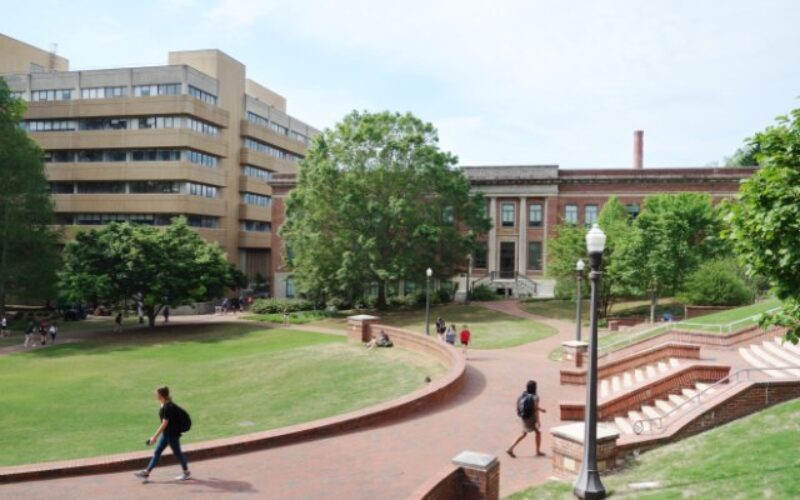
This is the hidden infrastructure behind college life at work, and it reaches into nearly every part of your day, even when you never see the equipment involved. A modern campus relies on complex systems that supply electricity and move water. Other networks control indoor temperatures or keep digital connections running.
Electricity Supports Nearly Every Part of Your Day
Electricity becomes easy to overlook when you expect it every time you enter a classroom. Yet consider how quickly your day changes when the power goes out. Lecture technology stops working, while your laptop eventually runs out of battery.
A college campus places unique demands on its electrical system because people use power long after classes end. Residence halls stay busy overnight, while libraries may remain open late. Research buildings add another layer of demand because some equipment needs electricity around the clock.
Campuses also depend on the larger utility grid beyond their property. As electricity needs grow, the power challenges facing utility grids extend beyond utility providers themselves. Colleges rely on those same regional networks to keep campus spaces operating throughout the day.
For students, most of that work stays out of sight. You notice the lights rather than the electrical equipment supplying them.
Water Has To Reach Every Corner of Campus
Think about how many times you use water during a normal day at school. You shower in the morning or refill your bottle between classes. Each use depends on pipes carrying water across a campus filled with buildings that serve very different purposes.
Those pipes don’t end at the residence halls. Academic buildings need water for restrooms and daily operations. Science facilities may place different demands on the same campus water network.
Then there is everything that happens after you turn off the faucet. Wastewater leaves buildings through another network before reaching the appropriate treatment system. When part of that network develops a problem, facilities crews need access to the affected area without disrupting campus life any more than necessary.
You probably won’t think about those pipes on your way to class. That’s exactly what makes them such an interesting part of campus infrastructure. You rely on the network repeatedly without seeing most of it.
Heating and Cooling Stretch Far Beyond a Thermostat
When your classroom gets too warm, adjusting a thermostat seems like the obvious solution. On a large campus, indoor temperature control involves far more equipment than the small box mounted on the wall. Campus facilities teams manage systems that serve entire buildings and sometimes multiple areas of campus.
Some universities operate central plants that produce heating or cooling for several buildings. Underground pipes may carry steam or chilled water across campus instead of forcing each building to manage everything independently. That network connects spaces that look completely separate from above ground.
Weather puts these systems to the test. A cold spell increases heating needs as students continue using classrooms and residence halls. Hot weather creates the opposite problem as cooling equipment works harder to maintain comfortable indoor spaces.
The thermostat gets your attention because you interact with it. The equipment doing the larger job stays elsewhere.
Your Wi-Fi Depends on Physical Infrastructure
Wireless internet sounds like something that exists entirely in the air. Your phone connects without a cable, after all. Behind that connection sits a network of physical equipment that moves information around campus.
Campus networks use wired connections to move data between buildings. Access points then give your phone or laptop a nearby wireless connection. When you walk from a residence hall to the student union without losing access, you move between different parts of that larger network.
Colleges face another challenge because internet demand changes throughout the day. Students fill classrooms during class hours before shifting toward residence halls later. Network teams need to support those changes while keeping connections available across campus.
At this point, you can start to see the hidden infrastructure behind college life as a collection of connected systems rather than isolated equipment. Your Wi-Fi equipment needs electricity to operate, just as other campus technology does. One infrastructure problem may therefore affect services that seem unrelated at first.
Campus Roads Serve People You Rarely See
The path you take to class has another job after you’ve passed through. Campus roads and service routes give facilities teams access to buildings that need maintenance. Delivery vehicles also use these routes to reach parts of campus without crowding major pedestrian areas.
Some of that activity happens early in the morning or in places students rarely visit. You may see a maintenance vehicle beside a building without knowing what the crew is repairing inside. Their work keeps everyday campus spaces available for the people who use them.
Service access becomes especially important when crews need to reach underground infrastructure. Workers need practical routes to equipment while navigating pedestrian traffic. Campus design has to account for that behind-the-scenes movement alongside student travel.
Next time you walk across campus, notice how some routes seem separate from the main student pathways. They support the daily work required to operate a campus as both a school and a large facility.
Infrastructure Shapes Campus Planning
College campuses don’t stay frozen in time. Universities renovate older buildings while adding new spaces as student needs change. Every project forces campus planners to consider how the surrounding infrastructure will support the people who use the building.
Adding a building requires much more than finding enough land. Planners need to connect the site to electricity and water. They also need to consider how people will access the building each day.
Older campuses face another issue because infrastructure installed decades ago must meet modern expectations. Today’s students bring much greater technology demands than students from earlier generations. Universities may also upgrade older buildings when they want to lower energy use.
You see the finished residence hall or renovated classroom, but much of the planning happens before construction starts. Infrastructure influences where universities build and how they update existing spaces. Those decisions shape what a campus has the capacity to support in the future.
Look Beneath the Campus You Know
Most days, you don’t need to think about what happens behind a light switch or beneath the sidewalk. Campus facilities teams manage those systems while you focus on classes and the rest of your college experience. Their work reaches nearly every building you enter.
The buildings you recognize represent the visible side of a much larger operation. Power reaches those spaces through connected electrical systems, while separate networks carry water or data. Each one supports a part of campus life that you probably expect to work without a second thought.
The next time you cross campus, take another look around. You may start noticing pieces of the infrastructure that have been there all along.
Image Credentials: By zimmytws, 284364895
end of post … please share it!
PAYING FOR COLLEGE: getting the aid you need
-------------------------------------------------------------------------------------------------------------
end of post idea
-------------------------------------------------------------------------------------------------------------
view home improvement ideas at our Photo Remodeling center
Helpful article? Leave us a quick comment below.
And please share this article within your social networks.