Each response requires dependable equipment that helps firefighters work safely and efficiently under pressure.
Departments select their equipment based on community needs, department size, local hazards, and response responsibilities. However, most departments rely on several core equipment categories daily. From protective clothing to water-delivery tools, each item supports a specific job on the fireground and helps crews prepare for the unexpected. Continue reading to discover essential equipment every fire department has.
Protective Clothing
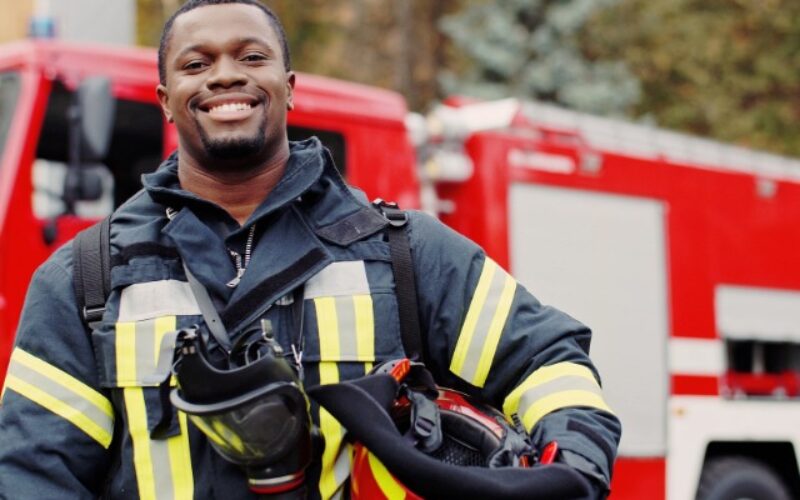
Firefighters need protective clothing that can withstand extreme working conditions. Structural firefighting gear usually includes a coat and pants that help protect the wearer from heat, flames, and physical hazards. Manufacturers build this clothing with specialized layers that provide thermal protection while allowing firefighters to move.
Firefighters also wear helmets that protect their heads from falling debris and impacts. Gloves protect their hands while still allowing them to grip tools and operate equipment. Firefighting boots provide traction and shield the feet from heat and sharp objects.
Departments regularly inspect protective clothing because damaged gear can reduce protection. Crews look for tears, worn closures, contamination, or other issues that could impair performance. Proper storage also helps departments keep gear ready between calls.
Breathing Equipment
Smoke poses serious respiratory hazards during structure fires. Firefighters use self-contained breathing apparatus, often called SCBAs, when they enter environments with smoke or dangerous gases. An SCBA supplies breathable air from a compressed-air cylinder.
Firefighters train extensively with these systems because they must operate them quickly while wearing heavy protective gear. Crews also practice changing cylinders and responding to low-air warnings. Familiarity helps firefighters stay focused when visibility drops or conditions change.
Departments keep additional air cylinders available so crews can replace depleted cylinders during longer incidents. Some departments also use specialized systems that refill cylinders at the scene.
Fire Hose
Fire hose serves as one of the most recognizable pieces of firefighting equipment. Departments use hose lines to move water from hydrants, engines, or other water sources to the area where firefighters need it.
Different hose sizes support different jobs. Supply hose moves large volumes of water to an apparatus, while attack lines give firefighters greater mobility during interior or exterior fire suppression. Departments consider diameter, construction, length, and pressure needs when buying the right fire hose for their operations.
Crews inspect hose after use and according to department maintenance schedules. They check couplings and jacket condition before returning hose to service. Careful handling helps firefighters identify damage before the next emergency.
Nozzles and Appliances
A fire hose needs the right nozzle to control water at the discharge point. Firefighters use different nozzle designs depending on their operational needs and preferred tactics. Some nozzles allow firefighters to adjust the stream pattern, while others deliver water at a fixed flow.
Fire departments also use hose appliances to divide or combine water lines. Valves can help crews control water movement without shutting down an entire supply operation.
Firefighters need to understand how each component affects water delivery. Good training helps crews choose appropriate equipment quickly and make adjustments as fire conditions change.
Ladders
Ladders give firefighters access to elevated areas and create additional escape routes during emergency operations. Fire engines often carry several types and lengths to support different building layouts.
Extension ladders can reach upper-story windows or roofs. Roof ladders include hooks that help firefighters secure the ladder near a roof ridge. Smaller ladders can help firefighters access lower windows or interior spaces.
Firefighters practice ladder placement because positioning affects both access and safety. Teams also train to raise and carry ladders efficiently in tight spaces or around obstacles.
Hand Tools
Firefighters carry hand tools for forcible entry, ventilation, overhaul, and rescue work. Axes can help crews break through certain building materials. Halligan-style tools give firefighters leverage when they need to force doors or create access points.
Prying tools and striking tools also support many fireground tasks. Departments select tools that fit their response needs and apparatus storage plans.
Crews train with hand tools so firefighters can use them effectively while wearing gloves and protective gear. Regular inspections help departments identify damaged handles, worn striking surfaces, or other issues that could affect safe operation.
Rescue Equipment
Fire departments frequently respond to incidents involving trapped or injured people. Vehicle collisions may require crews to cut through metal or remove damaged vehicle components. Hydraulic rescue tools can help firefighters gain access to occupants.
Departments may carry spreaders, cutters, or combination tools based on their response responsibilities. Stabilization equipment helps crews control vehicle movement before rescue work begins.
Some departments also carry rope-rescue equipment for incidents involving steep terrain, confined spaces, or elevated locations. Because rescue operations require specialized training, departments match their equipment to the capabilities of their personnel.
Thermal Imaging Cameras
Smoke can reduce visibility to almost nothing inside a structure. Thermal imaging cameras help firefighters identify heat patterns that they might not see with their eyes alone.
Crews can use these cameras when searching rooms, locating areas of elevated heat, or evaluating fire conditions. Firefighters may also use thermal imaging during overhaul to identify areas requiring closer inspection.
A thermal imaging camera supports firefighter awareness, but training remains important. Firefighters need to understand what the display shows and recognize the limits of the technology.
Lighting Equipment
Emergency scenes don’t always provide adequate lighting. Fires, crashes, and rescue calls frequently occur at night or in buildings that have lost electrical power.
Portable scene lights help departments illuminate work areas around apparatus or incident locations. Firefighters may also carry helmet-mounted or handheld lights for closer tasks.
Reliable lighting helps crews see hazards and navigate unfamiliar environments. Departments keep batteries charged and inspect lighting equipment so firefighters can deploy it quickly when needed.
Communication Tools
Clear communication connects firefighters throughout an emergency response. Portable radios allow crews to share information with incident command and other personnel working on the scene.
Firefighters use radios to report changing conditions, request resources, or communicate assignments. Departments may also use microphones and accessories designed to work with protective clothing.
Radio training helps firefighters communicate clearly when background noise rises. Crews learn department procedures for emergency traffic and routine updates so everyone can understand important information without unnecessary confusion.
Medical Equipment
Many fire departments respond to medical emergencies as part of their daily workload. The amount of medical equipment they carry depends on the level of care their personnel provides.
Common equipment may include trauma supplies, oxygen delivery equipment, and automated external defibrillators. Departments with advanced medical capabilities carry additional equipment that supports their licensed providers.
Crews organize medical equipment so responders can find what they need quickly. Routine checks help departments replace used supplies and identify items that need attention.
Equipment Keeps Crews Ready
Firefighters depend on the above essential equipment when they arrive at an emergency. They also need equipment that supports the work they perform in unpredictable conditions.
Protective clothing shields firefighters as they enter hazardous environments, while hose and nozzles give crews the tools to control fire. Rescue equipment expands what departments can accomplish during vehicle crashes and specialized incidents. Radios keep teams connected as operations develop.
No department can prepare for every possible scenario with one piece of equipment. A well-equipped fire department builds a collection of dependable tools that match its responsibilities and community risks. Regular training, careful inspections, and thoughtful equipment selection help firefighters stay prepared for the next call.
Image Credentials: VAKSMANV, # 313700528
end of post … please share it!
PAYING FOR COLLEGE: getting the aid you need
-------------------------------------------------------------------------------------------------------------
end of post idea
-------------------------------------------------------------------------------------------------------------
view home improvement ideas at our Photo Remodeling center