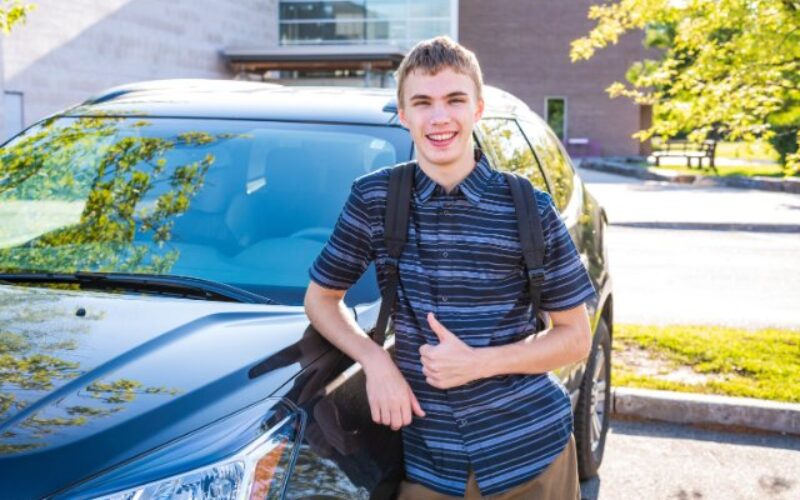

Crowded spaces, confusing layouts, or poorly maintained surfaces make parking lots a common complaint among college students. When drivers spend too much time searching for a spot or navigating unfamiliar lanes, even a routine trip to class becomes frustrating.
How can colleges update their parking lots to make them more convenient for everyone? Here are several improvements campus administrators can make to reduce parking frustrations and improve traffic throughout campus.
Refresh Faded Parking Lot Striping
Striping refers to the painted markings that improve parking lot safety by identifying individual parking spaces and directing traffic. Over time, the paint wears down from weather exposure and vehicles driving over it. Once the markings fade, drivers have trouble identifying where spaces begin and end. This can result in crooked parking that takes up space in neighboring stalls.
Fresh striping makes parking spaces easier to recognize as drivers enter each row. Colleges should repaint worn markings before they become difficult to see, especially in areas with frequent vehicle traffic.
Install More Visible Directional Signs
Navigating a college parking lot becomes frustrating when drivers can’t easily identify which direction they’re supposed to travel. Poorly positioned signs can cause drivers to miss turns or accidentally enter lanes intended for traffic moving in the opposite direction.
Colleges can improve navigation by installing larger directional signs at intersections throughout their parking lots. Each sign should be visible from a distance. Signs should also indicate whether a lane permits one-way or two-way traffic.
Using consistent directional symbols throughout the parking lot makes navigation easier, especially for drivers visiting campus for the first time.
Designate Separate Entrance and Exit Lanes
Parking lot entrances become frustrating when vehicles entering campus compete for space with those trying to leave. This creates unnecessary congestion near access points and forces drivers to negotiate who gets to move first.
Separating entrance and exit lanes gives traffic a more predictable direction. Colleges with enough available space can establish dedicated access points that prevent opposing vehicles from interfering with one another.
However, the layout must account for how vehicles enter from surrounding streets. A poorly positioned exit can create backups beyond the parking lot, so campus administrators should evaluate existing traffic patterns before making changes.
Repair Uneven Pavement and Potholes
Potholes make driving through campus parking lots uncomfortable and can damage vehicles when drivers can’t avoid them. Even smaller pavement depressions create problems when water collects inside them, gradually weakening the surrounding asphalt.
Colleges should inspect parking surfaces regularly and repair damaged sections before deterioration spreads. Addressing a pothole early also prevents drivers from swerving into neighboring spaces to avoid it.
For larger areas of damaged pavement, resurfacing may offer a longer-lasting solution than repeated patchwork. This addresses widespread deterioration and reduces the need for frequent repairs.
Upgrade Parking Lot Lighting
Students who attend evening classes still need to navigate campus parking lots after sunset. Poor lighting makes it harder to identify empty spaces and notice pedestrians moving between parked vehicles.
Colleges can improve visibility by replacing outdated fixtures with lighting designed for outdoor parking areas. However, fixture placement deserves just as much thought as brightness.
Light should reach the driving lanes without producing excessive glare through windshields. Campus administrators should inspect parking areas after dark to identify poorly illuminated sections that aren’t apparent during daytime evaluations. This gives them a better understanding of where additional lighting is needed.
Make Accessible Parking More Convenient
Accessible parking spaces should provide convenient access to campus buildings for drivers with disabilities. Their locations influence how far someone must travel before reaching an accessible entrance.
Colleges should review whether existing accessible spaces connect to routes that people using mobility devices can navigate. A parking space near a building isn’t convenient when a raised curb prevents someone from reaching the sidewalk.
Administrators must also account for applicable accessibility requirements when evaluating parking space dimensions and access aisles. Maintaining these areas throughout the school year keeps designated spaces available for the people who need them.
Establish Dedicated Pedestrian Walkways
Students frequently walk between parked vehicles when traveling from their cars to campus buildings. Without designated pedestrian routes, drivers have to watch for people emerging unexpectedly into active traffic lanes.
Painted pedestrian walkways show students where to cross parking areas while giving drivers a better indication of where to expect foot traffic. Colleges should place these walkways where students already cross instead of directing them along unnecessarily long routes.
Raised crossings may also be appropriate in locations with frequent pedestrian traffic. Connecting walkways to nearby sidewalks encourages students to use the marked crossings instead of walking through active driving lanes.
Reevaluate Parking Space Dimensions
A parking lot may technically have enough spaces while still being frustrating to use. Narrow stalls force drivers to make repeated adjustments when parking, especially when neighboring vehicles sit close to the dividing lines.
Colleges should evaluate whether their existing stall dimensions accommodate the vehicles commonly using campus facilities. Spaces that don’t provide adequate maneuvering room contribute to crooked parking and blocked access between cars.
However, widening every space isn’t automatically the answer. Administrators must balance available capacity with appropriate dimensions so that changes improve usability without eliminating an excessive number of parking spots.
Reduce Congestion During Class Changes
Parking demand rises sharply when one group of students leaves campus as another arrives for class. During these periods, drivers circulate through occupied rows while departing vehicles struggle to exit.
Colleges can address this congestion by examining when their busiest parking periods occur. If class schedules create predictable traffic surges, administrators can evaluate adjustments that spread arrivals across a longer period.
Parking availability information can further reduce unnecessary circulation. When students know that a particular lot has reached capacity, they can head toward another parking area instead of searching through rows that have no available spaces.
Improve Parking Lot Drainage
Standing water creates problems that extend beyond an inconvenient walk from the car. When rainfall collects across parking spaces, drivers have trouble identifying pavement damage beneath the water.
Poor drainage also contributes to asphalt deterioration as moisture enters existing cracks. Over time, repeated exposure weakens the pavement and increases the need for repairs.
Colleges should investigate areas where puddles repeatedly form after storms. Correcting drainage problems may involve adjusting the pavement slope or restoring an existing drainage structure. Fixing the source of the standing water reduces the need for recurring pavement repairs.
Put Student Parking Concerns to Good Use
Students who use campus parking lots every day have firsthand knowledge of recurring problems. Colleges can gather their feedback through parking surveys to identify issues that routine maintenance inspections overlook.
With that information, administrators can prioritize making college parking lots easier to use based on what drivers actually experience. Even smaller updates become more effective when colleges understand where students encounter the most frustration. Continued feedback also gives administrators a way to evaluate improvements after they’re completed.
Image Credentials: Brian, 234298676
-------------------------------------------------------------------------------------------------------------
end of post idea
-------------------------------------------------------------------------------------------------------------
view home improvement ideas at our Photo Remodeling center
Helpful article? Leave us a quick comment below.
And please share this article within your social networks.