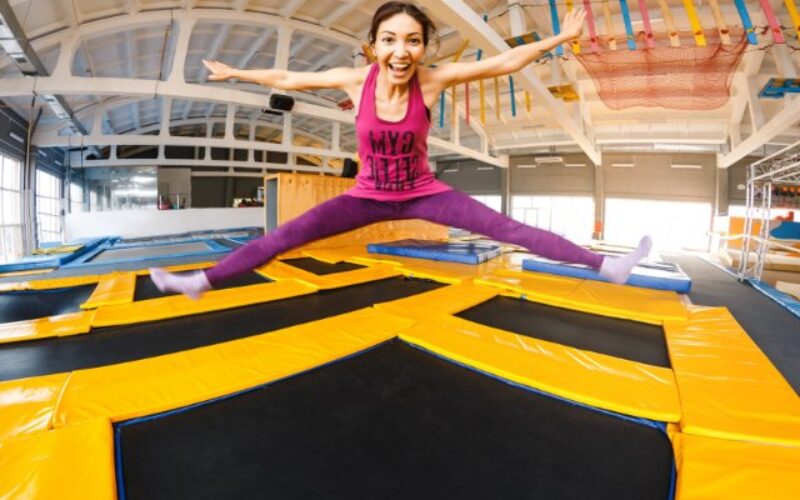

A recreational space can look well planned and still create problems once people begin using it. Students move quickly, make assumptions, and often enter unfamiliar facilities without knowing what to expect. Making a recreational facility safer means designing the space around real behavior rather than ideal conditions. When the environment naturally supports better decisions, safety becomes part of the experience instead of an afterthought.
Design Around Real User Behavior
A facility may look straightforward on paper, but people don’t always move through a space exactly as planners expect. Students may arrive in groups and gather near an entrance while they wait for friends. Account for those natural patterns instead of assuming everyone will follow the cleanest possible route.
Good design makes the intended path easy to understand. When visitors can quickly recognize where they should enter or wait, you reduce unnecessary confusion without relying on constant reminders from staff.
Keep Activity Zones Distinct
You can also improve safety by keeping active recreation areas clearly separated from spaces where people stand or watch. A student focused on an activity may not notice someone entering the area until they’re already too close.
Clear boundaries give both participants and observers a better understanding of where they belong. You don’t necessarily need complicated barriers or excessive signage if the physical layout communicates that information naturally.
Give People Enough Space
Crowding can create problems in facilities that otherwise operate smoothly. If you place an entrance too close to an active zone, people may bunch together while others try to move through the same area.
Look at the amount of room people need during busy periods rather than planning around ideal conditions. A layout that works for a few visitors may become frustrating when a campus event brings in a much larger group.
You should also consider whether visitors can change direction without stepping into an active area. Small adjustments to the layout can make movement more predictable for everyone.
Choose Equipment for the Activity
Some recreational spaces place much greater demands on protective equipment than others. If you’re planning a high-energy attraction such as an indoor go-kart track near a college campus or entertainment district, you need barriers designed to do more than define the edge of the activity area.
That becomes especially important when moving vehicles can make contact with the track boundary. Facilities may compare rigid systems with spring-based HDPE barriers and competing designs because the barrier’s construction can influence the way it responds during an impact.
The broader lesson applies to any recreation space where protective equipment plays an active role. You should choose systems based on what participants will encounter during normal use rather than treating every boundary or barrier as interchangeable.
Think Beyond Initial Installation
Equipment can show signs of wear through repeated use. Connections may loosen, surfaces may wear, or movable components may shift from their intended position.
That means your planning shouldn’t stop once the facility opens. You need a practical way to inspect important equipment without making routine checks difficult for staff.
Make Inspections Part of Operations
Regular inspections help you catch visible issues while they’re still manageable. Staff members who know what normal conditions look like can notice changes more easily during the day.
A basic inspection routine might include:
- Checking activity areas for visible damage or obstructions
- Confirming that protective equipment remains secure
- Removing items that interfere with normal circulation
- Reporting anything that requires closer attention
The goal isn’t to turn every employee into a technical specialist. You simply want staff to recognize when something looks different and know when to stop using an area until someone can evaluate it properly.
Keep Instructions Easy To Follow
Rules only help when visitors can understand them. Long signs packed with small text may provide the necessary information, but visitors can easily overlook it when they’re eager to begin.
Focus your instructions on what visitors need to do at that moment. If students need to wait behind a line, make that boundary obvious. When an activity requires a specific procedure, staff should explain it clearly rather than assuming newcomers already understand the routine.
You’ll also want consistency between posted guidance and staff instructions. Mixed messages can create hesitation at exactly the point where you want people to act predictably.
Prepare Staff for Busy Periods
Campus recreation doesn’t always follow a steady rhythm. Student organizations may bring large groups into a facility, while weekends or special events can create sudden increases in attendance.
Staffing plans should reflect those changes. When more people arrive, employees may need to spend additional time guiding traffic or monitoring areas where visitors tend to gather.
Training is more useful when staff members understand why a procedure matters. If they know what problem a rule prevents, they can communicate it more naturally instead of simply repeating instructions.
Give Staff Clear Responsibilities
Confusion among employees can create the same problems as confusion among visitors. Each person should know which areas they’re responsible for monitoring during a shift.
That clarity becomes especially important when something unusual happens. Staff can respond faster when they don’t have to stop and figure out who should handle the situation first.
Maintain Clear Emergency Access
You need to keep access routes usable throughout the day, not only when the facility first opens. Bags, temporary furniture, or event equipment can slowly creep into paths that employees may need later.
Walk through these routes from a practical perspective. Ask whether staff could reach an activity area quickly if something went wrong.
That review can also reveal spaces where crowds might block movement without realizing it. Addressing those points early helps keep routine operations from interfering with emergency access.
Build Safety Into Daily Culture
A strong approach to safety in a recreational facility doesn’t depend on one sign or one piece of equipment. You build a stronger environment when staff pays attention to changing conditions and visitors understand what’s expected of them. The physical space should support those habits instead of working against them.
For campus leaders, student groups, and businesses serving college communities, that mindset can shape better decisions whenever you plan a recreation space. Look closely at the way people will use the facility, then make safety part of the experience rather than something visitors only notice when a problem occurs.
Image Credentials: EdNurg, 175109652
-------------------------------------------------------------------------------------------------------------
end of post idea
-------------------------------------------------------------------------------------------------------------
view home improvement ideas at our Photo Remodeling center