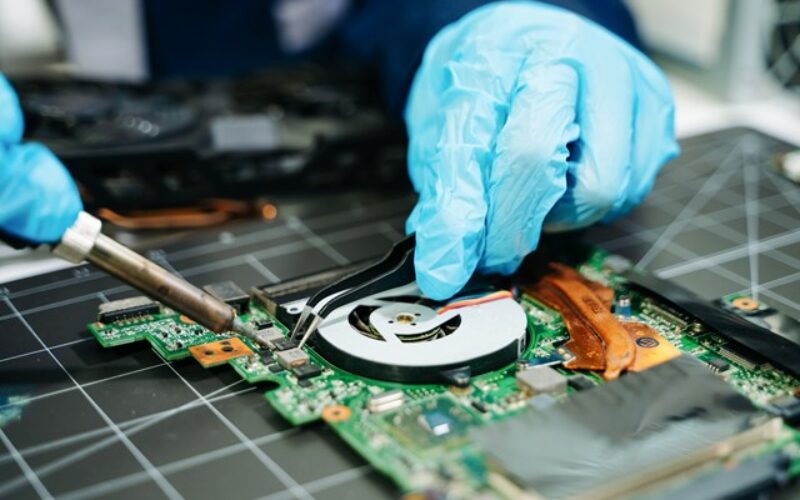

College expenses add up, and finding extra income that fits around your classes isn’t always easy. If you’re comfortable troubleshooting technology, you might already have a skill that other students need. Starting a computer repair side hustle gives you an opportunity to earn money without committing to a traditional part-time work schedule. However, turning your technical knowledge into a dependable service requires more than knowing your way around a laptop.
Figure Out What You Can Fix
You don’t need to know everything about computers to offer useful repair services. In fact, trying to handle every technical problem from the beginning can put you in situations where you lack the experience to finish a job safely. Focus on repairs you’ve successfully completed and understand well enough to explain to someone else.
For example, you might have experience replacing laptop batteries or upgrading computer memory. Those skills can provide a reasonable starting point, provided you understand the requirements of each device. Some manufacturers make certain components difficult to access, so don’t assume that a familiar repair will work the same way on every model.
Build Your Skills Through Practice
Once you’re comfortable with basic repairs, you can gradually expand your skills by practicing on an older computer you own. Focus on diagnosing problems rather than immediately replacing parts. For example, if a computer won’t turn on, investigate potential causes to identify the problem and avoid unnecessary purchases.
You can also consult manufacturer repair documentation for guidance on unfamiliar procedures. Pay particular attention to safety warnings when working with internal batteries or delicate connectors. If a repair requires specialized equipment or expertise you don’t have, it’s better to refer the customer to an experienced technician than risk damaging their device.
Create a Practical Repair Workspace
You don’t need a professional workshop to repair computers in college, but you should have a clean, well-lit space where you can work without interruptions. Keep your tools within reach and leave enough room to organize small components as you remove them. Avoid crowded areas where someone might accidentally disturb your equipment.
You’ll also need to protect sensitive electronics from static electricity, which can damage internal circuitry. Follow the manufacturer’s handling instructions and take appropriate precautions when working with exposed components. If you’re storing replacement parts between repairs, choosing suitable anti-static packaging can help protect them until you’re ready to use them.
Set Prices That Make Sense
Charging for repairs can seem uncomfortable when you’re helping fellow students, especially if you’ve previously fixed computers for friends without expecting payment. However, you’re providing a service that requires technical knowledge and your personal time.
Set your rates based on the demands of the repair while accounting for any expenses you’ll need to cover. Straightforward tasks, such as installing additional memory, generally warrant a lower labor charge than complicated repairs that require extensive troubleshooting. Don’t undervalue your services simply because you’re a student; your prices should reflect the work involved while leaving you with a reasonable profit.
When establishing your rates, consider these factors:
- The time you’ll spend diagnosing the problem
- The difficulty of completing the repair
- The cost of replacement components
- Any specialized tools you’ll need
- The possibility of additional troubleshooting
Find Customers Around Campus
You don’t need an elaborate advertising campaign to attract your first customers. College communities offer opportunities to connect with people who regularly rely on computers for coursework.
Begin by telling classmates about the services you offer. If your campus permits it, you could also share a simple advertisement on student bulletin boards. Make sure your message identifies the problems you can address rather than promising to fix every computer issue.
As you complete successful repairs, encourage satisfied customers to recommend you to others. Personal recommendations can help you build credibility, particularly when potential customers don’t know much about your technical background.
Avoid presenting yourself as an official campus repair provider unless your institution has authorized that relationship. You want customers to understand that they’re hiring an independent student service.
Protect Your Customers’ Information
Computer repairs sometimes involve access to personal files or account information. You need to establish boundaries that protect your customers’ privacy and prevent unnecessary access to their data.
Ask customers to back up important files before handing over their devices whenever possible. Explain whether the proposed repair could affect stored information, and don’t guarantee that data will remain intact if you can’t verify that outcome.
You should also obtain permission before accessing personal accounts or opening private files. If you need to test a device after completing a repair, ask the customer to participate whenever practical.
For hardware repairs, document the device’s existing condition before opening it. This gives you and the customer a clear record of any visible damage that was already present.
Manage Repairs Around Your Classes
One of the most useful tips for starting a computer repair side hustle is to establish a schedule that doesn’t interfere with your education. A repair might take longer than expected, especially when you encounter an unfamiliar problem or need to order a replacement component.
Set realistic completion estimates and communicate promptly when circumstances change. Don’t promise next-day service if your academic commitments leave little room for unexpected delays.
Consider limiting the number of devices you accept at once. You’ll have an easier time keeping track of each repair without letting unfinished work accumulate during a busy semester.
Turn Small Jobs Into Experience
You might begin your repair business simply because you want extra spending money. Over time, though, you’ll gain opportunities to develop professional habits that could prove useful beyond college.
Pay attention to the problems you encounter most frequently. If customers regularly request services outside your current abilities, consider whether additional training would help you expand responsibly.
You can also evaluate which repairs make financial sense. A complicated job that occupies an entire weekend might earn less than several straightforward repairs completed during your available hours.
Your goal shouldn’t be to accept as much work as possible. Focus on providing dependable service while gradually developing the experience to handle more challenging requests.
You don’t need a long customer list to begin. Choose one repair service you can confidently provide, establish a reasonable price, and let people in your campus community know you’re available. Your first successful customer interaction could become the beginning of a rewarding side business that grows alongside your technical abilities.
Image Credentials: By Nuttapong punna, 2025103520
-------------------------------------------------------------------------------------------------------------
end of post idea
-------------------------------------------------------------------------------------------------------------
view home improvement ideas at our Photo Remodeling center
Helpful article? Leave us a quick comment below.
And please share this article within your social networks.