
Students who consider a future in industrial fields need clear guidance that aligns with real-world workplace expectations. A strong start in manufacturing depends on habits, awareness, and a willingness to grow through hands-on experience. Here are five tips for creating a healthy career in manufacturing so that students can travel on a stable path from campus to industry.
Understand Industry Processes
Manufacturing involves a wide range of methods that shape how products move from design to completion. Students who learn how different systems work gain an advantage during interviews and early job assignments. This knowledge builds a stronger foundation for technical decision-making.
For example, learning about ceramic machining and injection molding can prepare them for working in real-world production environments. It also supports more informed conversations with colleagues and supervisors.
Gain Practical Exposure Early
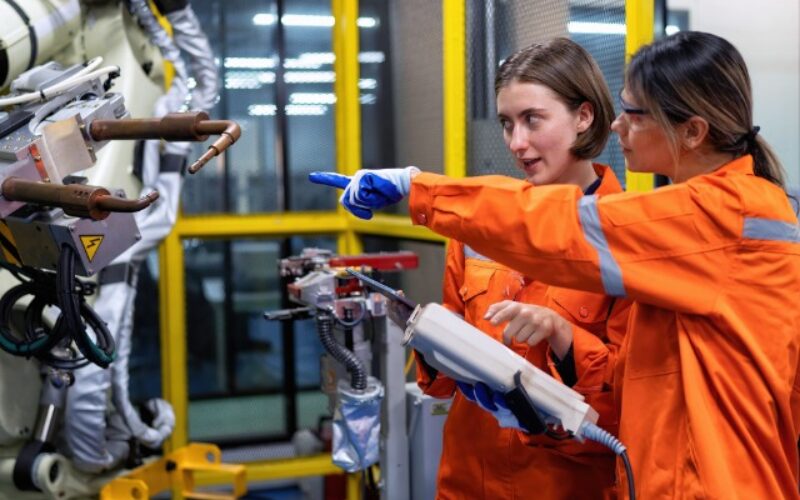
Students also benefit from lab work, internships, and technical coursework that reflect real manufacturing environments. Practical exposure strengthens understanding and helps students connect theory to production processes. Confidence grows when they apply knowledge in controlled settings before entering full-time roles.
Hands-on learning also helps students identify their strengths and areas that need improvement. Faculty guidance and structured practice can create a supportive environment for skill development. Over time, this preparation leads to smoother transitions into professional roles.
Prioritize Workplace Safety and Health
Another tip for nurturing a healthy career in manufacturing is to prioritize physical safety and mental well-being in demanding environments. Students should learn proper safety protocols and treat them as essential habits rather than optional guidelines. Consistent awareness reduces risk and supports long-term success.
Mental health also plays a role in sustaining performance and job satisfaction. Students should recognize signs of fatigue and stress as they adapt to new responsibilities. Balanced routines contribute to both personal well-being and professional reliability.
Develop Communication Skills
Manufacturing settings rely on teamwork between engineers, operators, and managers. Clear communication reduces errors and improves efficiency across production lines. Students who practice explaining technical ideas in simple terms stand out in collaborative environments.
Strong communication also supports problem-solving in fast-paced situations. Team members depend on accurate information to make timely decisions. Students who build these skills early position themselves as dependable contributors.
Stay Adaptable to Technology
Technology continues to reshape manufacturing through automation, data systems, and advanced machinery. Students who stay curious and open to learning new tools remain competitive in a changing job market. Continuous learning supports long-term career growth.
Adaptability also helps students respond to shifts in industry demand. New technologies create opportunities for specialized roles and cross-functional work. Students who embrace change can move between positions with greater confidence.
Students’ early-career decisions influence future opportunities, so they should think beyond immediate job offers. Setting goals and seeking experience help guide professional growth over time. These manufacturing career tips support steady progress while reducing uncertainty.
Image credentials: by Tongpool, 595009497
-------------------------------------------------------------------------------------------------------------
end of post idea
-------------------------------------------------------------------------------------------------------------
view home improvement ideas at our Photo Remodeling center
Helpful article? Leave us a quick comment below.
And please share this article within your social networks.