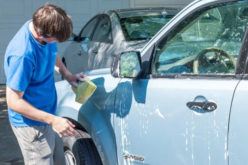
Generally, regular car maintenance is simple, quick, and cheap, and involves checking the condition of your vehicle’s fluids, breaks, and tires. The importance of routine car maintenance can’t be understated. Here is why checking and maintaining these few simple things can save you—and your car—from future trouble.
Monitor and Replace Your Fluids
Monitoring your car’s fluid levels is essential. Fluids help your vehicle run properly. If neglected, they can make your vehicle difficult to steer and control, which can lead to accidents, or otherwise damage or shorten the lifespan of your car.
Oil

Oil lubricates your engine’s metal and prevents friction. If friction occurs, the metals might meld together from additional heat.
Forgetting to change your oil can lead to a buildup of old, filthy oil, which has the potential to erode the metal of your car.
Apart from these two, there are several other problems that can arise from not changing your oil—all of them damaging and potentially dangerous.
Transmission Fluids
Transmission fluids keep your vehicle’s transmission lubricated and in good, working condition. When transmission fluids run low, you risk the formation of contaminants. These can shorten your transmission’s overall life.
Coolant
Coolant, like its name suggests, absorbs unwanted heat and expels it from the vehicle. A lack of coolant can cause rust or completely overheat your engine.
Brake and Steering Fluid
Brake and steering fluid increase the performance of their respective parts, making them responsive and easy to use. If you don’t change the brake or steering fluid, these components of your car can become difficult to use.
You’ll have trouble braking and steering properly, which drastically increases your risk of an accident. As a way for you to ensure you and your passenger’s safety, routine car maintenance is important.
Perform Checks on Your Breaks
Faulty and worn breaks make it harder for your vehicle to slow or stop. Regularly checking the pads’ thickness and keeping an eye out for peculiar sounds or leaking fluids will help you ensure they’re in tip-top condition.
other valuable tips:
How to Save Up Money for Your First Car as a College Student
A lit or flashing check engine light will generally alert a driver to problems with their breaks, but it’s better to take self-initiative and prevent problems before they begin.
Examine Your Tire Pressure and Alignment
Poor tire pressure and alignment can cause issues with your vehicle’s operation. A pressure that is either too high or too low will affect your car’s cornering, breaking, and stability. High pressure alters your vehicle’s traction and stopping distance, while low pressure causes wear and tear—and under the right circumstances, it can cause your tires to burst.
Tire alignment is important, too. Less than ideal alignment can cause your car to pull or veer to one specific side and create vibrations while driving.
Image Credit: routine car maintenance by envato.com
end of post … please share it!
GUIDE: build a college budget
-------------------------------------------------------------------------------------------------------------
end of post idea
-------------------------------------------------------------------------------------------------------------
view home improvement ideas at our Photo Remodeling center
Helpful article? Leave us a quick comment below.
And please share this article within your social networks.