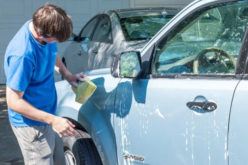
Having a car at college offers incredible freedom, allowing for easy trips to the grocery store, weekend getaways, and visits back home. However, it also introduces a new set of responsibilities.
A university campus, with its open environments and high density of people, can present unique challenges regarding vehicle safety.
We understand that your car is likely one of your most valuable possessions, both financially and practically. The thought of finding a scratch on the door, a broken window, or discovering the car is missing entirely is distressing for students and parents alike.
Fortunately, creating a plan and adopting a few smart habits can significantly reduce these risks. By taking a proactive approach to security and maintenance, you can focus on your studies and social life, knowing your vehicle remains secure and ready for your next drive.
Understanding The Risks On Campus
To effectively protect your vehicle, it helps to understand the specific environment of a college campus. Universities are often bustling hubs of activity with open access, meaning not everyone walking through the parking lots is a student or staff member.
This high foot traffic, combined with large parking areas that may not always be fully monitored, creates opportunities for opportunistic crimes. Theft is a primary concern, ranging from the theft of items left inside the car to the theft of the vehicle itself.
Vandalism and accidental damage are also common issues in university settings. Tight parking spaces often lead to door dings and bumper scrapes, while the festive atmosphere of college weekends can sometimes result in intentional damage to property.
Furthermore, leaving a car stationary for long periods—which is common for students living on campus who walk to class—can make the vehicle a target because it signals that the owner is not frequently checking on it. Recognizing these vulnerabilities is the first step toward safeguarding your property.
Essential Security Measures
Investing in visible and functional security measures acts as a strong deterrent to potential thieves. While modern cars often come equipped with alarm systems, adding a layer of physical security can make a significant difference.

A steering wheel lock is a classic, highly effective tool. It is inexpensive, easy to use, and sends a clear visual message that your car will be difficult to steal. For those looking for high-tech solutions, aftermarket GPS trackers can provide peace of mind by allowing you to monitor your vehicle’s location directly from a smartphone.
Where and how you park determines the safety of your vehicle just as much as the equipment you use. whenever possible, choose parking spots in well-lit, high-traffic areas. Darkness provides cover for criminal activity, so parking under a streetlamp or in a garage with robust lighting is a simple yet powerful tactic.
If your campus offers parking lots monitored by security cameras or patrolled by campus police, prioritize these locations even if they require a slightly longer walk to your dorm or apartment. The goal is to make your car an unappealing target by increasing the likelihood that anyone tampering with it will be seen.
Insurance Coverage Considerations
Before the semester begins, it is wise to review your current auto insurance policy. Many families do not realize that moving a car to a different zip code—even within the same state—can impact insurance premiums and coverage requirements.
You should inform your insurance provider that the vehicle will be garaged at a university. This ensures that in the event of a claim, there are no disputes regarding the primary location of the car.
We also recommend considering comprehensive coverage if you do not already have it. While collision coverage pays for damage resulting from accidents while driving, comprehensive coverage protects against non-collision incidents.
This includes theft, vandalism, fire, falling objects, and weather-related damage—all of which are relevant risks on a college campus. Having this safety net can save you from significant out-of-pocket expenses should the unexpected occur.
Campus And Community Resources
Universities are invested in the safety of their students and typically offer resources that can help protect your property. Familiarize yourself with the campus security services available to you.
Many institutions provide safe-walk programs or security escorts, which can be utilized if you need to access your car late at night. Additionally, take note of the location of "blue light" emergency phones in parking areas, which provide a direct line to campus police.
Local law enforcement agencies often have community outreach programs or liaisons specifically for the university district. They can provide valuable information regarding recent crime trends in the area or specific parking lots to avoid.
Registering your bicycle and electronics with campus police is common, but asking if they have a similar registry or sticker program for student vehicles is also worthwhile. utilizing these community resources creates a network of support around you and your vehicle.
Preventative Maintenance
Protecting your car goes beyond security; it also involves maintaining its mechanical health. Students often leave their cars parked for weeks at a time, which can lead to specific maintenance issues.
Before heading to campus, ensure all routine maintenance, such as oil changes and fluid top-offs, is up to date. Checking tire pressure is particularly important, as tires can lose pressure when sitting on cold pavement for extended periods.
Environmental factors can also cause wear and tear on a vehicle that sits outside. If the campus is in a region with harsh winters, the combination of snow, ice, and road salt can lead to rust and mechanical problems. Using a weather-resistant car cover can protect the paint and body.
Conversely, in hot climates, a sunshade for the windshield helps protect the dashboard and interior upholstery from UV damage and keeps the internal temperature lower, protecting heat-sensitive electronics.
Creating A Safety Mindset
The most effective tool in your arsenal is your own awareness. Developing a safety mindset involves making small, conscious decisions every time you leave your vehicle. Always double-check that the doors are locked and the windows are fully rolled up. It sounds simple, but in the rush to get to class or a social event, these basics are often overlooked.
Furthermore, you must remove all valuables from plain sight. Leaving a laptop bag, a phone charger, or even loose change in the cup holder can tempt a break-in. If you must leave items in the car, store them in the trunk before you arrive at your parking spot, so no one sees you stowing them away.
Finally, trust your instincts. If you see suspicious activity in the parking lot, do not hesitate to report it to campus security. By being vigilant and responsible, you contribute to a safer environment for yourself and your peers.
other related articles of interest:
Conclusion
Bringing a car to campus is a privilege that adds convenience and flexibility to the college experience. While the risks of theft and damage are real, they are not insurmountable.
By understanding the campus environment, utilizing physical security measures, ensuring proper insurance coverage, and keeping up with maintenance, you can mitigate these dangers significantly. Cultivating a habit of awareness and utilizing campus resources further strengthens your safety net.
We encourage you to take these proactive steps today, so you can enjoy your college journey with the confidence that your car is safe and sound.
Image Credit: car at college by envato.com
end of post … please share it!
PAYING FOR COLLEGE: getting the aid you need
-------------------------------------------------------------------------------------------------------------
end of post idea
-------------------------------------------------------------------------------------------------------------
view home improvement ideas at our Photo Remodeling center
Helpful article? Leave us a quick comment below.
And please share this article within your social networks.