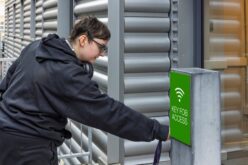
While most college experiences are filled with positive memories and meaningful connections, the reality is that theft can happen anywhere, and college campuses are no exception.
Understanding how to safeguard your valuables doesn’t mean living in fear or suspicion of everyone around you. Instead, it’s about developing smart habits and awareness that become second nature.
This guide offers practical, actionable strategies to help you protect your belongings while still enjoying everything college has to offer. From securing your dorm room to leveraging technology for added protection, these tips will help you create a safer environment for yourself and your community.
Understanding the Landscape of College Theft
Before diving into prevention strategies, it’s helpful to understand what types of theft commonly occur on college campuses and where these incidents are most likely to happen. This knowledge helps you stay alert in high-risk situations and make informed decisions about protecting your belongings.
-
Common Types of Theft
Personal electronics top the list of frequently stolen items on college campuses. Laptops, smartphones, tablets, and gaming devices are particularly attractive to thieves because they’re valuable, portable, and easy to resell. These items often contain personal information, making their loss even more devastating than the financial impact alone.
Bicycles represent another major target for campus theft. Many students rely on bikes for transportation between classes and around campus, making bicycle theft both common and disruptive to daily routines. The combination of high value and inadequate security measures makes bikes vulnerable, especially when left in less monitored areas.
Cash, credit cards, and personal identification documents also face theft risks, particularly when wallets or purses are left unattended in common areas. Textbooks, though less appealing to opportunistic thieves, still hold significant value and can be targeted, especially during the beginning and end of semesters when demand peaks.
Clothing and personal accessories might seem like unlikely targets, but expensive items like designer jackets, shoes, or jewelry can attract attention. Laundry rooms present particular risks for clothing theft, as items are left unattended for extended periods.
-
High-Risk Areas on Campus
Dormitory common areas, including lounges, study rooms, and laundry facilities, see frequent foot traffic from both residents and visitors. The casual atmosphere in these spaces can lead to a false sense of security, making it easy to leave belongings unattended while stepping away briefly.
Libraries and study spaces present unique challenges because students often claim tables or study carrels with their belongings while taking breaks. The quiet, focused environment can create opportunities for thieves to act without drawing attention, especially during busy periods when many people are coming and going.
Dining halls and cafeterias experience constant turnover as students eat quickly between classes. The rush to grab food and find seating often leads to bags and jackets being left at tables, creating easy opportunities for theft.
Recreational facilities, including gyms, pools, and sports complexes, require students to store belongings in lockers or designated areas while they exercise. Even with locker systems in place, inadequate security measures or forgotten combinations can leave items vulnerable.
Parking areas and bike racks, particularly those in remote or poorly lit locations, face higher theft risks. The lack of constant surveillance and foot traffic makes these areas attractive to thieves targeting vehicles and bicycles.

Practical Tips to Protect Your Belongings
Developing strong security habits forms the foundation of theft prevention. These practical strategies address the most common vulnerabilities students face while maintaining the social and academic lifestyle that makes college rewarding.
-
Securing Your Dorm Room
Your dorm room should serve as your secure home base, but achieving this requires consistent habits and smart choices. Always lock your door, even when stepping out briefly to visit a neighbor or use the restroom. Many thefts occur during these short absences when residents assume their quick return makes locking unnecessary.
Establish clear agreements with roommates about guests and visitors. While maintaining a welcoming atmosphere is important for building friendships, knowing who has access to your living space helps maintain security. Consider implementing a simple system where roommates communicate about visitors, especially those who might be unfamiliar to everyone in the room.
Avoid leaving valuables visible from windows or when the door is open. This includes electronics, cash, jewelry, or anything that might attract attention from people passing by. Creating a welcoming space doesn’t require displaying your most expensive possessions prominently.
Invest in a small safe or lockbox for your most important items, including passport, social security card, emergency cash, and backup credit cards. Many college-appropriate safes are designed to fit discretely in dorm rooms while providing security for documents and small valuables you don’t need daily access to.
-
Protecting Electronics
Electronic devices require special attention because they’re both valuable and essential for academic success. Never leave laptops, tablets, or phones unattended in public spaces, even for a few minutes. The time it takes to grab coffee or use the restroom is sufficient for someone to walk away with your device.
Use password protection and encryption on all devices to protect your personal information if theft does occur. Enable remote tracking features like Find My iPhone or similar Android services, and ensure these features remain active and updated. These tools can help locate stolen devices and, in some cases, aid in their recovery.
Consider using a cable lock for your laptop when working in libraries or study spaces where you might need to step away briefly. While not foolproof, these locks deter opportunistic theft and signal that you’re security-conscious.
Avoid displaying expensive electronics unnecessarily, especially in high-traffic areas where many people can observe your belongings. This doesn’t mean hiding your legitimate academic tools, but rather being mindful of how and when you use them in public spaces.
-
Bike Security
Bicycle theft prevention requires both quality equipment and smart parking choices. Invest in a high-quality lock that’s appropriate for your bike’s value. Cable locks alone provide minimal security; consider U-locks or heavy-duty chain locks that resist cutting attempts.
Always lock your bike to designated bike racks or other secure, immovable objects. Locking to fences, handrails, or other structures might be convenient but can be ineffective if thieves can lift your bike over or dismantle the anchor point.
Remove or secure any easily detachable accessories like lights, computers, or quick-release wheels when leaving your bike for extended periods. These items often have their own value and can be removed quickly without tools.
Choose parking locations wisely by favoring well-lit, high-traffic areas over secluded spots. While convenient parking near building entrances is ideal, don’t sacrifice security for convenience if it means parking in isolated areas.
-
Library and Classroom Safety
Academic spaces present unique security challenges because they require balancing the need to protect belongings with the social norms of these environments. Never leave belongings unattended when leaving the library or study area, even if you plan to return quickly. Ask a trusted friend to watch your items, or pack everything up and take it with you.
Be cautious about asking strangers to watch your belongings, as this puts both you and them in uncomfortable positions. If you don’t have a friend available, it’s safer to pack up and lose your study spot than risk losing your belongings.
In classrooms, keep bags and valuable items with you rather than leaving them at your seat when stepping out during breaks. Many thefts occur during these transition periods when rooms empty and fill quickly, creating confusion that thieves can exploit.
Consider bringing only essential items to study sessions, leaving unnecessary valuables in your secured dorm room. This reduces both the risk and the potential impact if theft does occur.
Leveraging Technology for Security
Modern technology offers numerous tools to enhance personal security and protect against theft. Understanding and utilizing these resources can provide additional layers of protection beyond traditional security measures.
-
Tracking Devices and Apps
GPS tracking devices have become smaller, more affordable, and more effective in recent years. Consider using tracking tiles or similar devices on frequently used items like backpacks, laptops, or keys. While these won’t prevent theft, they can significantly improve recovery chances if items are stolen.
Smartphone apps can enhance personal safety and security awareness. Campus safety apps often provide features like emergency contacts, incident reporting, and real-time safety alerts. Many also include walking companion features or safety check-ins that can be valuable for overall personal security.
Location sharing with trusted friends or family members provides an additional safety net, particularly when walking alone at night or in unfamiliar areas. This doesn’t require constant monitoring but ensures someone knows your general whereabouts and can respond if you don’t arrive as expected.
-
Password Management
Strong, unique passwords for all accounts protect your digital identity and personal information if devices are stolen. Password managers make this practical by generating and storing complex passwords you don’t need to memorize. This is particularly important for financial accounts, email, and social media.
Enable two-factor authentication whenever possible, especially for important accounts like banking, email, and student portals. This adds an extra security layer that makes unauthorized access more difficult even if someone obtains your password.
Regularly update passwords and security settings, particularly after any security concerns or if you suspect someone might have accessed your accounts. This includes changing default passwords on any new devices or services.
-
Cloud Storage for Important Documents
Backing up important documents, photos, and academic work to secure cloud storage protects against both theft and accidental loss. This is particularly valuable for irreplaceable items like research, creative projects, or personal photos.
Ensure your cloud storage accounts use strong passwords and encryption to protect sensitive information. Consider using different cloud services for different types of documents, such as keeping academic work separate from personal photos.
Maintain both digital and physical copies of critical documents like identification cards, insurance information, and emergency contacts. Store physical copies separately from the originals, such as keeping copies in your dorm room when you carry originals with you.
Staying Aware and Informed
Personal awareness and community engagement form crucial components of effective theft prevention. Staying informed about campus security resources and building relationships with others creates a supportive environment that benefits everyone’s safety.
-
Campus Security Resources
Familiarize yourself with your campus security department’s resources, including their location, contact information, and available services. Many campus security departments offer services beyond emergency response, such as safety escorts, security assessments, and educational programs.
Sign up for campus safety alerts and communications to stay informed about incidents, policy changes, and safety tips specific to your campus. This information helps you make informed decisions about routes, timing, and precautions.
Attend safety workshops or presentations offered by campus security or student life departments. These programs often provide valuable information about local crime trends, prevention strategies, and available resources.
Report suspicious activity promptly to appropriate authorities. This doesn’t mean reporting every unfamiliar person or unusual situation, but rather communicating genuine security concerns that could indicate potential problems.
-
Building a Community of Safety
Developing positive relationships with neighbors, classmates, and campus community members creates an environment where people look out for one another. This informal network often proves more effective than formal security measures in preventing and addressing problems.
Participate in dorm meetings, floor activities, and other community-building events that help you get to know the people around you. Strong community relationships increase the likelihood that suspicious activity will be noticed and reported.
Share safety information and experiences with friends and classmates to help everyone stay informed about potential risks and effective prevention strategies. This creates a culture of awareness without promoting fear or suspicion.
Insurance and Recovery
Despite best prevention efforts, theft can still occur. Understanding your insurance options and knowing how to respond if theft happens can minimize the impact and improve recovery chances.
-
Understanding Insurance Options
Review your family’s homeowner’s or renter’s insurance policy to understand what coverage exists for your belongings while at college. Many policies extend coverage to student belongings in dorm rooms, but coverage limits and requirements vary significantly.
Consider purchasing separate renter’s insurance specifically for your college belongings if your family’s existing coverage is inadequate. This is often affordable and can provide comprehensive protection for electronics, clothing, and other personal property.
Understand the difference between replacement cost and actual cash value coverage, as this affects how much you’ll receive if you need to file a claim. Document your valuable belongings with photos and receipts to support any future insurance claims.
-
Steps to Take After Theft
If theft occurs, report it immediately to both campus security and local police. Even if you don’t expect to recover your belongings, these reports create official documentation that may be required for insurance claims and help authorities track crime patterns.
Contact your bank and credit card companies immediately if financial cards were stolen to prevent unauthorized use. Most financial institutions can expedite replacement cards to minimize disruption to your daily routine.
Change passwords for any accounts that might have been accessible through stolen devices, and monitor your accounts closely for unauthorized activity. Consider placing fraud alerts on your credit reports as an additional precaution.
Document everything related to the theft, including police report numbers, campus security case numbers, and lists of stolen items with their approximate values. This documentation is essential for insurance claims and may be helpful if your belongings are recovered.
Creating Your Safety Strategy
Protecting yourself from campus theft doesn’t require living in constant worry or suspicion of everyone around you. Instead, it’s about developing smart habits that become natural parts of your daily routine while maintaining the open, social atmosphere that makes college rewarding.
The most effective approach combines multiple strategies rather than relying on any single method. Secure your living space, protect your electronics, stay aware of your surroundings, and build positive relationships with your campus community. Use available technology to enhance your security, but don’t let it replace common sense and good judgment.
other related articles of interest:
Staying Safe on Campus: A Comprehensive Guide for College Students
Remember that perfect security isn’t the goal—reasonable precautions that fit naturally into your lifestyle are. Start with the strategies that feel most relevant to your situation and campus environment, then gradually incorporate additional measures as they become habits.
Your college years should be filled with learning, growth, and positive experiences. By taking sensible precautions to protect your belongings, you’re investing in your ability to focus on what matters most: your education and personal development.
- National Center for Education Statistics – Campus Safety and Security Survey
- Campus Safety Magazine – Annual Campus Crime Statistics
- Insurance Information Institute – Renters Insurance for College Students
- National Crime Prevention Council – Campus Safety Resources
Image Credit: college theft prevention by envato.com
end of post … please share it!
PAYING FOR COLLEGE: getting the aid you need
-------------------------------------------------------------------------------------------------------------
end of post idea
-------------------------------------------------------------------------------------------------------------
view home improvement ideas at our Photo Remodeling center