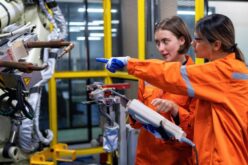

Students interested in science and technology often look beyond traditional paths when considering careers that combine engineering and chemical solutions. These roles bring together problem-solving, design, and chemistry to address real-world challenges across industries. From manufacturing to environmental protection, professionals in this space play a critical role in shaping modern systems.
College students can benefit from understanding how these fields intersect before choosing a major or specialization. A clear view of available options helps guide smarter academic and career decisions.
Which Career Paths Blend Engineering and Chemistry?
Several career paths allow students to apply both engineering principles and chemical knowledge in practical ways. Each offers a unique work environment and focus area.
Common career options include:
- Chemical engineering roles in manufacturing and production
- Environmental engineering focused on pollution control and sustainability
- Materials engineering for developing new compounds and products
- Process engineering in industries like food, energy, and pharmaceuticals
These careers require both technical expertise and creativity. Students who enjoy hands-on problem-solving often find these paths especially rewarding.
What Skills Support These Careers?
Success in these fields depends on more than classroom knowledge. Employers look for individuals who can apply concepts in dynamic settings.
Key skills to develop:
- Strong foundation in chemistry and mathematics
- Ability to analyze systems and improve efficiency
- Familiarity with lab techniques and industrial equipment
- Clear communication and teamwork abilities
Students can build these skills through coursework, internships, and campus labs. Many universities offer research opportunities that provide valuable experience.
Where Do These Careers Make an Impact?
Industries continue to rely on professionals who understand both engineering systems and chemical processes. These roles often contribute to innovation, safety, and efficiency.
For example, manufacturing companies depend on engineers to develop and maintain systems that use high-performance cleaners to keep equipment running efficiently. This work supports production quality while reducing downtime and operational risks.
Energy companies, environmental agencies, and product development teams also rely on similar expertise. Students who explore different industries can discover which environments match their interests.
How Can Students Prepare on Campus?
College campuses offer many resources that support career exploration. Students who take advantage of these opportunities often gain a clearer sense of direction.
Helpful steps include:
- Joining STEM or engineering-focused student organizations
- Attending career fairs and networking events
- Seeking internships in labs or industrial settings
- Working with academic advisors to plan specialized coursework
Engaging with these resources helps students connect theory with real-world application. Early involvement also builds confidence and professional connections.
Making Smart Career Decisions
Choosing a path takes time and exploration. Students should reflect on their interests, strengths, and long-term goals when considering careers that combine engineering and chemical solutions. Conversations with professors, industry professionals, and peers can provide helpful insights.
These careers offer strong growth potential and the chance to work on meaningful challenges. Students who stay curious and proactive can position themselves for success in a rapidly evolving job market.
Image Credentials: Photographer: stokkete File #: 1254883102
-------------------------------------------------------------------------------------------------------------
end of post idea
-------------------------------------------------------------------------------------------------------------
view home improvement ideas at our Photo Remodeling center
Helpful article? Leave us a quick comment below.
And please share this article within your social networks.