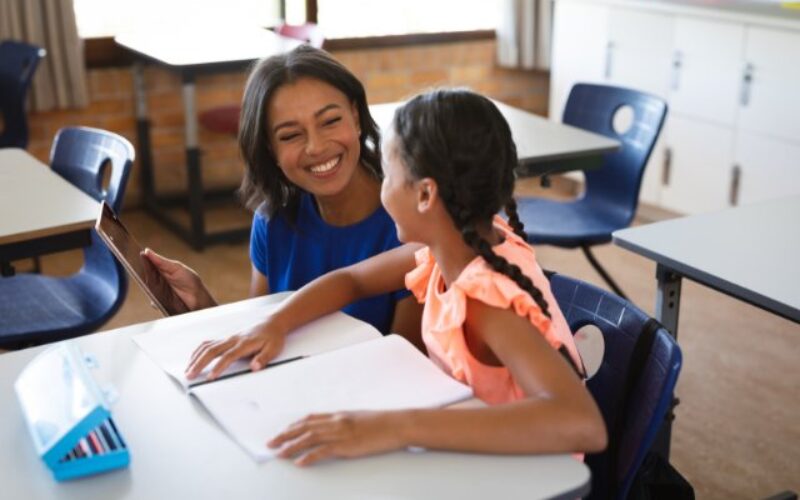

College students can contribute to their communities by volunteering at nearby elementary and secondary schools. A student who excels in mathematics might volunteer as a tutor, while members of a university club could organize educational activities that introduce younger learners to new interests. These experiences allow college students to share what they know while supporting the work of local educators.
Although volunteering may bring tutoring to mind first, college students can support local schools in ways that accommodate different interests and academic schedules. Classroom donation projects and school-sponsored events provide additional opportunities for participation, even for students who cannot commit to weekly volunteering. Finding the right opportunity begins with identifying what nearby schools need and considering how university students can contribute.
Volunteer as a Tutor or Academic Mentor
When younger students encounter difficulties with coursework, additional guidance outside regular classroom instruction can give them more opportunities to practice unfamiliar concepts. College students with strong academic backgrounds can volunteer through school-approved tutoring programs, particularly in subjects where educators identify a need for extra support.
Before committing to a tutoring position, university students should contact local schools or established educational nonprofits to ask about available opportunities. Some programs provide instructional materials and volunteer training, allowing participants to contribute without developing lessons independently.
Academic mentoring can extend beyond helping children complete assignments. College volunteers might demonstrate study techniques, discuss managing academic responsibilities, or share experiences about preparing for higher education. By tailoring conversations to each student’s age and interests, mentors can make academic development feel more manageable.
Introduce Younger Students to College Life
For children who have limited exposure to higher education, meeting university students can make college feel more familiar and accessible. Campus volunteers can share their academic experiences and explain what everyday life at a university looks like, giving younger learners a clearer picture of what they might expect.
Working alongside local educators, student organizations could arrange supervised campus visits that introduce younger learners to university facilities. A visit to a science laboratory, for instance, could demonstrate how students apply classroom concepts through practical experiments. These experiences can encourage curiosity while allowing children to ask questions about university life.
College volunteers should acknowledge that students have different interests and future ambitions. Conversations about higher education can include community colleges, vocational programs, and apprenticeships, giving younger learners a broader perspective on educational possibilities.
Support Classrooms With Needed Educational Materials
Although schools typically establish budgets for classroom materials, teachers may welcome additional supplies for everyday instruction or special learning activities. College students can organize small donation efforts through campus clubs, residence halls, or academic departments, particularly when local educators have identified specific needs.
Before collecting materials, organizers should speak with teachers about which items would genuinely benefit their classrooms. Everyday essentials can run low during the academic year, making school supplies teachers regularly need a practical starting point for discussing donation priorities. Consulting educators first allows university volunteers to direct their contributions toward materials that students will actually use.
Donation efforts should reflect what participating college students can reasonably afford. A modest collection organized around a school’s specific requests may prove more useful than a larger campaign that gathers unsuitable materials.
Share Specialized Knowledge Through Educational Activities
Beyond traditional tutoring, university students can introduce younger learners to subjects connected with their academic programs or extracurricular interests. Music students might participate in supervised workshops, while those studying journalism could demonstrate interviewing techniques or discuss how school publications operate.
Collaborating with teachers allows college volunteers to develop activities that complement existing lessons without disrupting classroom schedules. A student organization might coordinate a creative writing session, introductory coding demonstration, or age-appropriate discussion about a particular career field.
Educational activities work best when volunteers understand the participating students’ abilities and the school’s instructional objectives. Teachers can establish appropriate expectations, while college students contribute perspectives drawn from their own educational experiences.
Build Partnerships Through Campus Organizations
For university students who want to contribute regularly, established campus organizations can provide a starting point for community involvement. Student government associations, academic clubs, and university service programs may already maintain relationships with nearby schools or educational nonprofits.
Students interested in creating a new partnership should contact their university’s community engagement office before approaching local schools. Staff members may identify existing opportunities and explain the procedures organizations must follow when coordinating volunteer activities.
Once a partnership begins, student leaders can establish schedules that account for academic responsibilities and school calendars. Documenting commitments and maintaining communication with participating educators makes it easier for future club members to continue the relationship after current volunteers graduate.
Participate in School Events and Enrichment Programs
Throughout the academic year, local schools may organize reading celebrations, educational fairs, career exploration activities, or extracurricular programs that welcome community participation. College students can contribute to these events by assisting staff with preparation or supporting supervised activities.
Occasional volunteering may suit students whose coursework or employment responsibilities prevent them from making weekly commitments. Participating in established events gives these individuals an opportunity to contribute while respecting their availability.
Before helping, volunteers should confirm that event organizers need outside support and understand what responsibilities they would perform. Following the school’s instructions allows college students to participate productively without interfering with activities educators have already planned.
Make Volunteering Consistent and Responsible
Although enthusiasm can motivate students to begin volunteering, realistic commitments determine whether they can sustain their participation throughout a semester. College students should consider their academic workload and existing responsibilities before agreeing to recurring activities. Choosing a manageable schedule allows volunteers to contribute consistently without compromising their own education.
Before working directly with children, college volunteers may need to complete background checks or safeguarding training required by participating schools. Each institution establishes its own procedures, so students should confirm these expectations with school administrators before beginning their assignments. Following established guidelines allows volunteers to participate responsibly while respecting the school’s responsibility for student safety.
Protecting younger students’ privacy requires careful attention whenever college volunteers participate in school activities. Volunteers should avoid sharing identifying information or photographs without authorization and communicate through approved school channels. Maintaining professional boundaries supports a safe environment for younger learners and reinforces the trust that schools place in community volunteers.
Strengthening Connections Between Campus and Community
When university students become involved with nearby schools, their contributions can give younger learners opportunities to interact with educational role models, while college volunteers develop practical experience and become more connected to the communities surrounding their campuses. These relationships can encourage students to remain involved in community service throughout their university years.
There are many ways college students can support local schools, but the most meaningful contributions begin with listening to educators and identifying where additional assistance would be welcome. By choosing realistic commitments and maintaining relationships with participating schools, university students can make community involvement a valuable part of their college experience while supporting the next generation of learners.
Image Credentials: By wavebreak3, #445344513
-------------------------------------------------------------------------------------------------------------
end of post idea
-------------------------------------------------------------------------------------------------------------
view home improvement ideas at our Photo Remodeling center
Helpful article? Leave us a quick comment below.
And please share this article within your social networks.