
Buying a new car comes with plenty of responsibilities, especially when it comes to keeping the engine healthy. Unfortunately, many new car owners make simple maintenance mistakes that lead to expensive repairs and unnecessary wear. Your engine needs regular attention to deliver reliable performance, but you don’t need extensive mechanical knowledge to take proper care of it. Understanding common engine care mistakes can help you avoid problems before they develop. Whether you recently purchased your first vehicle or simply want to improve your maintenance habits, knowing where new car owners go wrong with their engine care can save you considerable trouble.
Neglecting Regular Oil Changes
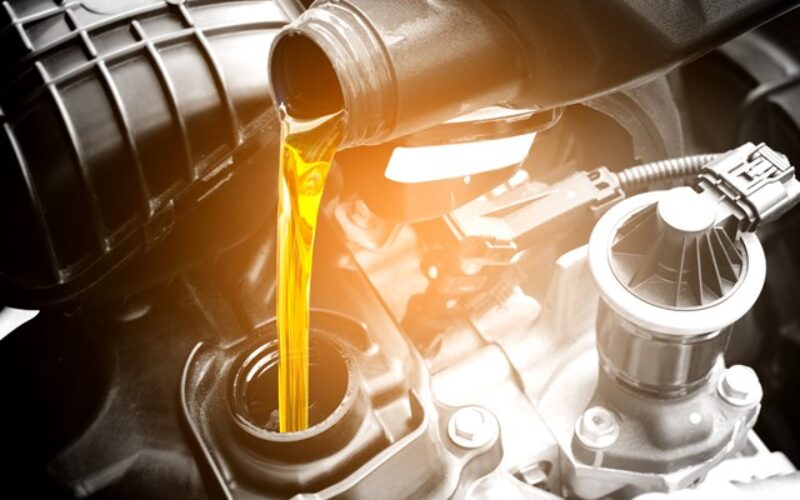
One of the biggest mistakes new car owners make involves ignoring oil change schedules. Engine oil lubricates moving components, reduces friction, and helps control operating temperatures. Over time, oil loses its effectiveness as contaminants accumulate and its additives deteriorate.
Some drivers assume they can delay oil changes because their vehicles still run smoothly. Unfortunately, engine damage often develops gradually without obvious warning signs.
Follow your manufacturer’s recommended oil change intervals rather than relying on outdated mileage rules. Your driving conditions may also influence how frequently your engine needs fresh oil.
Using the Wrong Engine Oil
Not all engine oils offer the same protection. Different engines require specific oil viscosities and performance standards to operate efficiently.
New owners sometimes purchase whatever oil costs the least without checking their vehicle’s requirements. However, using an unsuitable product can increase engine wear or interfere with proper lubrication.
Understanding how oil works helps you recognize why manufacturers specify certain formulations. Modern engines often rely on precise oil characteristics to support variable valve timing and other components.
Always consult your owner’s manual before choosing engine oil. Pay attention to both viscosity ratings and manufacturer approval specifications.
Ignoring the Check Engine Light
A check engine light doesn’t automatically mean your vehicle faces a major mechanical failure. However, ignoring that warning can allow relatively minor problems to become expensive repairs.
Your vehicle’s onboard diagnostic system monitors numerous engine functions. When something operates outside expected parameters, the system may activate a warning light.
Common causes include faulty sensors, ignition problems, and emissions system malfunctions.
Schedule a diagnostic inspection when the light appears. If the light flashes, stop driving as soon as you can safely do so and seek professional assistance. Continuing to drive could cause serious damage.
Forgetting To Check Fluid Levels
Engine oil isn’t the only fluid that deserves attention. Your vehicle relies on several fluids to maintain proper operation.
New owners frequently assume that routine service appointments cover everything. While professional maintenance helps, checking accessible fluid levels between appointments can reveal developing problems.
Pay particular attention to these fluids:
- Engine oil: Check the dipstick according to manufacturer instructions.
- Coolant: Inspect the reservoir when the engine is completely cool.
- Brake fluid: Watch for unexpected drops that could indicate problems.
- Transmission fluid: Follow your manufacturer’s inspection recommendations.
Never remove a pressurized cooling system cap while the engine remains hot.
Overlooking the Cooling System
Your engine generates substantial heat during normal operation. The cooling system regulates temperatures and prevents overheating.
Unfortunately, some drivers only think about coolant when their temperature gauge starts climbing.
Low coolant levels, damaged hoses, or malfunctioning thermostats can compromise engine performance. Severe overheating can damage cylinder heads and other expensive components.
Inspect your coolant reservoir periodically and watch for leaks beneath your vehicle.
If your temperature warning activates, find a safe place to stop. Shut off the engine and allow it to cool before investigating further.
Driving Aggressively With a Cold Engine
Cold starts require special consideration because engine oil needs time to circulate and reach its normal operating temperature.
Some new drivers accelerate aggressively immediately after starting their vehicles. This habit increases mechanical stress while engine components remain cold.
You generally don’t need to let a modern vehicle idle for several minutes before driving. Instead, start driving gently after the brief period your manufacturer recommends.
Avoid hard acceleration and high engine speeds until your vehicle reaches normal operating temperature.
This approach reduces unnecessary wear without wasting fuel through excessive idling.
Skipping Air Filter Inspections
Your engine needs clean air for efficient combustion. The engine air filter prevents dirt and debris from entering sensitive internal components.
A heavily clogged filter can restrict airflow and affect performance, particularly under demanding driving conditions.
Many owners forget about this inexpensive maintenance item because it doesn’t require frequent attention.
Inspect the filter according to your maintenance schedule, especially if you regularly travel on dusty roads.
Replace it when necessary rather than automatically following an arbitrary schedule. Your driving environment significantly influences filter condition.
Ignoring Strange Engine Noises
Engines produce normal mechanical sounds, but unusual noises deserve attention.
Knocking, ticking, grinding, or persistent squealing can indicate developing mechanical problems. Although some noises have relatively harmless explanations, others suggest serious issues.
New drivers sometimes ignore unfamiliar sounds because their vehicles continue operating normally.
Pay attention to when noises occur. Does the sound appear during acceleration, while idling, or immediately after starting?
Sharing these observations with a qualified mechanic can help identify the cause.
Avoid attempting complicated repairs without proper training, particularly when symptoms suggest internal engine damage.
Letting Small Leaks Continue
A small puddle beneath your car might seem insignificant, especially when the engine continues running without problems. However, fluid leaks can gradually reduce lubrication or cooling performance.
Engine oil leaks may originate from worn seals or damaged gaskets. Coolant leaks can develop around hoses, connections, or radiator components.
Check your usual parking space for suspicious spots. Notice their color and location, but remember that clear water from air conditioning often indicates normal operation.
Have a professional investigate unexplained leaks promptly.
Addressing minor problems early can prevent much more expensive repairs later.
Using Low-Quality Replacement Parts
Saving money on maintenance sounds appealing, particularly when vehicle ownership already involves considerable expenses.
However, choosing replacement parts solely because they cost less can create additional problems.
Poor-quality filters, ignition components, or sensors may perform inconsistently or fail prematurely.
You don’t necessarily need original manufacturer parts for every repair. Many reputable aftermarket manufacturers produce excellent alternatives.
Choose components that meet your vehicle’s specifications and come from trustworthy suppliers.
A reliable mechanic can help you compare options without sacrificing engine protection.
Forgetting About Spark Plug Maintenance
Spark plugs ignite the air-fuel mixture inside gasoline engines. As they wear, combustion efficiency can decline. Worn spark plugs may contribute to rough idling, difficult starting, or engine misfires.
Some new owners overlook spark plugs because modern versions often last considerably longer than older designs.
Nevertheless, every vehicle has specific replacement recommendations.
Consult your maintenance schedule and investigate persistent ignition problems.
Replacing worn plugs at appropriate intervals helps maintain consistent performance and can prevent additional stress on ignition components.
Failing To Follow the Maintenance Schedule
Your owner’s manual contains valuable information about protecting your engine. Unfortunately, many drivers rarely open it.
Manufacturers develop maintenance schedules around engine design and expected operating conditions.
Ignoring those recommendations can lead to unnecessary wear and missed inspections.
Keep records of oil changes, filter replacements, and other important services.
Digital reminders can help you track upcoming appointments without constantly checking mileage.
Remember that severe driving conditions may require additional maintenance. Frequent short trips and extended idling can affect service requirements.
Taking Better Care of Your Engine
Good engine care for a new owner doesn’t require complicated routines or expensive equipment. Consistent maintenance and attention to unusual symptoms make a meaningful difference.
Start with your manufacturer’s recommendations, monitor essential fluids, and address potential problems before they escalate.
Developing responsible habits early helps protect your investment while improving long-term reliability.
Your engine represents one of your vehicle’s most expensive components, so treating it carefully makes financial sense. A little preventive attention today can help you avoid major repairs and enjoy dependable transportation for years to come.
Image Credentials: By Media, 311979957
-------------------------------------------------------------------------------------------------------------
end of post idea
-------------------------------------------------------------------------------------------------------------
view home improvement ideas at our Photo Remodeling center
Helpful article? Leave us a quick comment below.
And please share this article within your social networks.