A thorough audit helps identify gaps, improve response coordination, and protect both people and infrastructure. Understanding how colleges can audit their storm preparedness is essential for maintaining a safe and functional campus environment.
Assessing Campus Vulnerabilities
Every campus has unique risks based on location and population density. An effective audit begins with identifying where the greatest vulnerabilities exist. Review flood-prone zones closely, especially if past storms have created access issues.
Older buildings may also need extra attention, particularly those with aging infrastructure. Inspections should focus on large halls and dorms because they often hold the most people. Historical damage reports and maintenance records can help facilities teams understand where problems are most likely to happen again.
Evaluating Emergency Communication Systems
Storm preparedness depends heavily on how clearly information reaches those on campus. Many campuses use text alerts, email updates, sirens, and website notices, but institutions should test those systems regularly to confirm they’re functioning.
An audit should consider whether emergency alerts reach everyone across campus, including those who may not be present during typical daytime hours. Colleges should also review whether staff understand their communication roles during a storm and whether backup methods are available in the event of a power or internet outage.
Reviewing Physical Preparedness Measures
Beyond planning and communication, physical readiness plays a major role in minimizing storm damage. Campuses should evaluate whether existing infrastructure can withstand severe conditions.
Areas of Focus:
- Drainage systems and water diversion capabilities
- Availability of barriers or flood protection tools
- Emergency equipment storage and accessibility
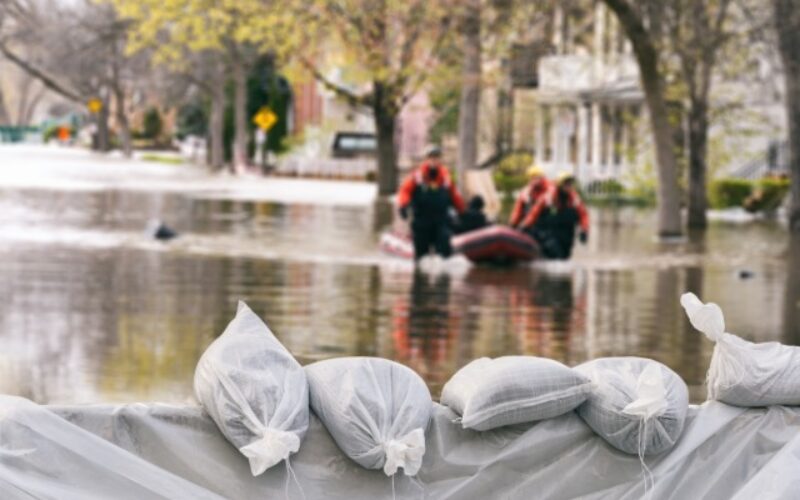
Campuses can implement practical flood protection strategies, such as temporary barriers, to protect vulnerable entry points.
Training and Coordination Across Departments
Storm preparedness extends beyond facilities and security teams. Effective storm response requires coordination across multiple areas of campus. Each one may face different responsibilities before, during, and after a storm.
Regular training exercises help clarify those responsibilities and reduce confusion. Drills should reflect realistic campus conditions, such as students sheltering in residence halls or class interruptions. When departments practice together, the college can identify communication gaps before an actual emergency occurs.
Continuous Improvement Through Post-Storm Reviews
Audits aren’t a one-time project. After a storm, even a minor one, colleges should review how their systems performed. This post-event audit shows whether their storm preparedness plans hold up under real-world conditions or fall apart.
Post-storm reviews also help colleges understand where delays occurred or where staff needed more support. These findings can shape future training and policy changes, so storm preparedness stays aligned with changing weather risks and campus needs.
Building a Culture of Preparedness
A strong audit process helps colleges move storm preparedness from a policy document into everyday campus practice. Everyone, from students to staff, plays a role in maintaining safety. When communication is clear and evaluations happen regularly, campuses are better prepared to respond to severe weather.
Image Credentials: mbruxelle, 169465415
end of post … please share it!
PAYING FOR COLLEGE: getting the aid you need
-------------------------------------------------------------------------------------------------------------
end of post idea
-------------------------------------------------------------------------------------------------------------
view home improvement ideas at our Photo Remodeling center