
Construction projects bring noticeable changes to college campuses. New residence halls create additional housing, renovated classrooms improve academic spaces, and upgraded facilities support student activities. However, these improvements carry risks that extend beyond the construction site.
A delayed renovation might force students into temporary classrooms. Unexpected restrictions can affect pedestrian routes, while unsafe work areas may threaten workers and nearby campus communities.
Understanding the hidden safety gaps that disrupt construction helps campus administrators and construction professionals recognize problems before they interrupt daily operations.
Why Construction Safety Problems Go Unnoticed
Construction environments change constantly. One week, workers might prepare foundations. Soon afterward, electricians and plumbers may occupy the same work area.
Each stage introduces different hazards, making safety management an ongoing responsibility.
A procedure that worked during early construction may no longer provide sufficient protection once crews begin working at greater heights or installing complex equipment.
Changing Site Conditions Create New Risks
Construction teams frequently adjust their schedules to accommodate weather, material deliveries, and surprising challenges. These changes can affect how workers access equipment or move through restricted areas.
For example, a temporary storage area may block an emergency access route. Equipment near a pedestrian walkway could create hazards that did not exist during initial planning.
Incomplete Safety Documentation Can Cause Delays
Incomplete paperwork is another hidden safety gap that can disrupt construction. It may seem like an administrative task, but accurate documentation helps construction teams maintain accountability. Training records and inspection reports provide important information about project conditions.
Written Procedures Must Reflect Actual Conditions
A construction company might maintain a thorough safety manual without consistently applying its procedures.
For instance, written instructions may require workers to inspect equipment before use. If nobody verifies those inspections, damaged tools could remain in service.
Construction teams can identify similar discrepancies by examining common gaps found during OSHA compliance reviews, including documentation weaknesses, inadequate hazard communication, and uncertain inspection findings.
Uncertain Findings Can Become Bigger Problems
An inspection provides little value when deficiencies remain unresolved.
Suppose a supervisor discovers an unstable temporary barrier near a campus renovation site. Reporting the problem represents the first step, but someone must repair the barrier and confirm that it protects the area.
A reliable corrective action process establishes who will address each concern and when they must complete the work.
Communication Breakdowns Between Construction Teams
Large construction projects involve workers from different companies performing specialized tasks.
Electricians may install wiring while ventilation contractors work above them. Delivery vehicles might enter the property as other crews prepare materials for installation.
These overlapping activities create situations where one team’s decisions affect another team’s safety.
Different Contractors May Follow Different Procedures
Contractors sometimes arrive with safety practices that differ from those the primary construction company uses. Confusion can develop when supervisors fail to explain site-specific requirements.
Daily coordination meetings help supervisors communicate schedule adjustments and clarify responsibilities.
Campus Construction Requires Additional Coordination
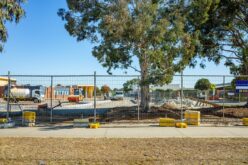
College construction projects introduce another consideration: Students and employees continue using surrounding facilities. A delivery entrance might sit close to a residence hall. Temporary fencing may redirect pedestrians toward a busy roadway.
Facilities administrators should coordinate with construction managers to identify potential conflicts between work activities and campus movement.
Inadequate Training Leaves Workers Vulnerable
Construction safety depends on workers understanding the hazards that come with their responsibilities. An employee may have years of general construction experience but be unfamiliar with specialized equipment.
Without suitable instruction, that knowledge gap can create dangerous conditions.
Equipment Familiarity Does Not Replace Training
Supervisors should verify that workers understand equipment requirements before assigning unfamiliar tasks. Consider a worker who previously operated ground-level machinery but now needs to use an elevated work platform.
Experience with other equipment does not automatically prepare that employee to recognize new hazards.
Instruction should address the equipment and the conditions workers will encounter.
New Workers Need Clear Site Information
Temporary employees may enter a project after construction has already progressed.
They need relevant safety information before beginning their assignments.
A practical orientation should explain restricted areas, emergency arrangements, and procedures for reporting hazards.
Overlooked Physical Hazards Can Stop Construction
Some construction hazards remain visible but receive insufficient attention until a problem develops.
Damaged ladders and unprotected openings can put workers at risk.
The Occupational Safety and Health Administration identifies falls, struck-by incidents, caught-in or caught-between incidents, and electrocutions as major categories of fatal construction hazards.
Fall Protection Requires Continuous Attention
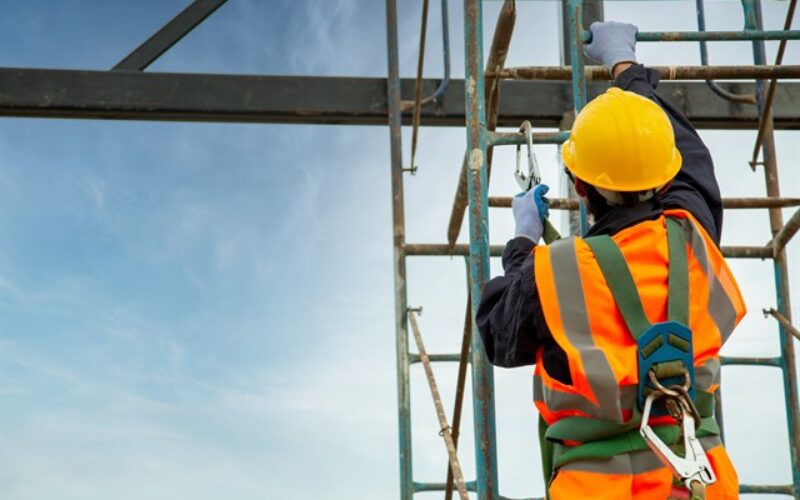
Elevated work creates significant risks when crews use scaffolding or operate near exposed edges. Protective measures must suit the task and meet applicable safety requirements.
As construction advances, supervisors should reassess elevated work areas rather than assuming that earlier arrangements remain adequate.
Housekeeping Affects Safety and Productivity
Disorganized work areas can create hazards that disrupt routine operations.
Loose materials may obstruct walkways, while improperly stored equipment can interfere with access. Workers should maintain storage areas and remove unnecessary debris as construction progresses.
How Construction Disruptions Affect Campus Life
Construction safety concerns can influence students who never enter an active work zone.
Campus buildings operate within connected environments where pedestrians and vehicles share limited space. A problem at one location may therefore affect activities elsewhere.
Restricted Access Can Change Daily Routines
When construction requires additional barriers or road closures, students may need alternative routes between classes.
Campus administrators should ensure that temporary routes accommodate people with disabilities and provide clear directions.
Facility Delays Can Affect Academic Planning
A postponed construction phase may prevent a renovated classroom or laboratory from opening when expected.
Universities might need to relocate activities or revise facility schedules.
Although not every delay results from a safety concern, preventable incidents can complicate construction schedules and affect academic operations.
Practical Ways To Close Construction Safety Gaps
Preventing disruptions requires consistent attention rather than relying exclusively on occasional inspections.
Construction managers should treat safety assessments as part of routine planning and update them when project conditions change.
Make Inspections Part of Daily Operations
Supervisors can examine active work areas before crews begin their assignments.
Workers should have a straightforward way to report concerns without unnecessary delays.
Strengthen Accountability Across Teams
Each contractor needs a clear understanding of its responsibilities.
Construction managers should establish communication procedures that explain who handles specific hazards and how teams share updates. Campus facilities representatives should participate when work could affect occupied buildings or public access.
Review Safety Plans as Projects Progress
The most effective safety arrangements adapt to new conditions.
Before beginning another construction phase, supervisors should examine relevant hazards and confirm that workers have the information they need.
Periodic reviews can also identify safety gaps that routine activities fail to reveal.
Safer Construction Supports a More Reliable Campus
College construction projects should improve campus facilities without creating unnecessary risks for the people who use them. Achieving that outcome requires attention to details that may initially seem minor, from incomplete inspection records to poorly communicated access changes.
Construction teams must recognize hazards early and address deficiencies promptly. Campus administrators also play an important role by communicating disruptions and protecting access to essential facilities.
When everyone understands their responsibilities, construction projects stand a better chance of progressing safely while students and educators continue their daily activities.
Image Credentials: By tong2530, 374800713
-------------------------------------------------------------------------------------------------------------
end of post idea
-------------------------------------------------------------------------------------------------------------
view home improvement ideas at our Photo Remodeling center