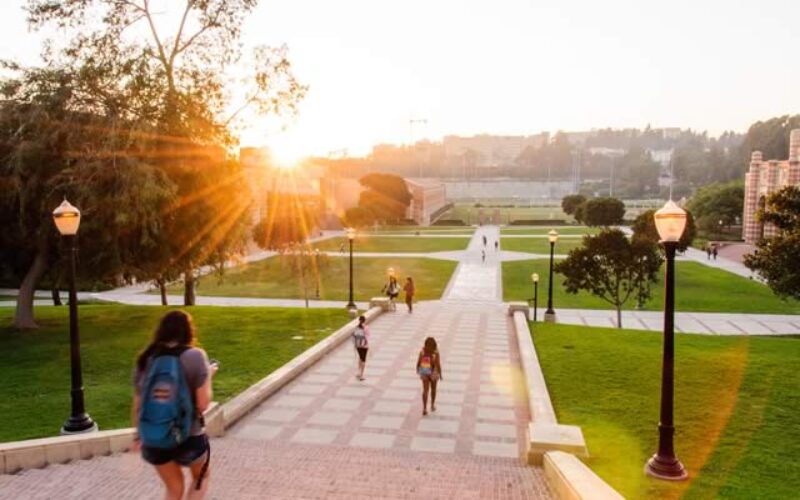
The rest of their time is often split between freelance work, small businesses, content creation, internships, and ideas they hope might turn into something bigger. This isn’t just about ambition for the sake of it.
There’s a mix of pressure, opportunity, and side hustle culture that makes constant activity feel almost normal. For many students, having a job isn’t a bonus; it’s expected.
Let’s see why California students are always working.
The Cost of Living Changes Everything
California is expensive, and students feel it right away. Even those with financial support often want a buffer. That’s where the side hustles culture comes from. But it’s not just about covering tuition, rent, or groceries.
There’s also a desire to avoid debt or at least minimize it. Working part-time used to be enough for that. Now, students are looking for options that pay more, scale better, or offer flexibility.
Instead of traditional student jobs, many turn to things like:
- Freelance design or writing
- Social media management
- Tutoring online
- Selling products through small online stores
The difference is that these aren’t seen as temporary solutions. They’re treated as something that could grow.
It Starts Before They Even Arrive
The mindset often begins before students set foot on campus. Moving across the country, or even from another part of California, comes with a certain mental shift. There’s a sense that this is a fresh start, but also that it comes with a cost, both literally and figuratively.
Students who are preparing for that move tend to think beyond just academics. Somewhere between putting together a college packing list for moving to California and figuring out housing, there’s already an awareness that expenses will be high and independence will be immediate.
That’s why starting college in CA doesn’t leave much room for passivity. Rent, food, and daily life add up fast, and that reality pushes students to start thinking about income streams early.
By the time they arrive, many already have something in motion—a remote gig, an online store, or at least a plan.
Being Surrounded by Ambition
Environment matters. California, especially in areas near major universities, is full of people building things. Startups, creative projects, and independent brands are everywhere. That energy seeps into student life.
It’s hard to stay on the sidelines when the person next to you in class is running a small business, and someone else is already working with a startup team. Even casual conversations tend to revolve around projects, ideas, or ways to monetize skills.
This doesn’t necessarily create competition in a negative sense, but it does raise the baseline. Doing “just enough” starts to feel like falling behind, which, in some cases, can lead to overwork and burnout.
Social Media Makes It Visible
Another reason side hustle culture feels so intense is that it’s constantly visible. Students aren’t just working on things, they’re sharing them. Whether it’s a clothing brand, a photography page, or a freelance portfolio, progress is documented online.
That creates a loop:
- People build something
- They share it
- Others see it and feel encouraged (or pressured) to start their own
It’s not unusual to see someone launch a small project and gain traction quickly just because they understand how to present it well. This visibility can be motivating, but it can also make it seem like everyone is succeeding all the time, which isn’t always true.
Flexibility Matters More Than Ever
Traditional part-time jobs come with fixed schedules. For students juggling classes, social life, and personal projects, that structure can feel limiting. Side hustles offer something different. They can be adjusted around a class schedule, scaled up during breaks, or paused when things get busy.
That flexibility is a big part of the appeal. It also allows students to experiment. If one idea doesn’t work, they can try another without feeling stuck. Over time, this builds a kind of confidence that’s different from what you get through coursework alone.
It’s Not Always About Money
While finances are a big driver, they’re not the only reason students take on extra work. There’s also a strong focus on building something personal.
For some, it’s about gaining experience before entering the job market. For others, it’s about creating options—having something to fall back on that isn’t tied to a traditional career path.
A student running a small online store, for example, isn’t just earning money. They’re learning about marketing, customer behavior, and problem-solving in real time. That kind of experience can be hard to replicate in a classroom.
Burnout Is a Real Risk
All of this activity comes with a downside. Constantly working on something can be exhausting. There’s a fine line between being productive and being overwhelmed.
Some students feel like they can’t slow down because everyone around them is moving fast. That pressure can build over time, especially when combined with academic demands.
It’s not uncommon to see students juggling:
- Full course loads
- Part-time or freelance work
- Personal projects
- Social expectations
At some point, something has to give, and often, mental health is the thing that suffers the most. Learning how to manage energy, not just time, becomes essential.
A Different Definition of Success
California students are always working, but what stands out about them isn’t just that they’re busy—it’s how they define success. It’s less about following a single path and more about creating multiple options.
A degree is still important, but it’s often seen as one piece of a larger picture.
Students are asking questions like:
- Can this project turn into something sustainable?
- What skills am I building outside of class?
- How can I stay independent after graduation?
That mindset shifts the focus from short-term achievements to long-term flexibility.
Final Thoughts
California students are always working on something, whether it’s building, experimenting, or constantly adjusting. The pace can feel intense, but it also reflects a shift in how younger generations approach work and independence.
Side hustle culture isn’t just about making extra money anymore. It’s about creating something of your own, even if it starts small. And in a place where opportunity and pressure exist side by side, it’s no surprise that so many students are always working on something.
Image Credit: california students by envato.com
end of post … please share it!
PAYING FOR COLLEGE: getting the aid you need
-------------------------------------------------------------------------------------------------------------
end of post idea
-------------------------------------------------------------------------------------------------------------
view home improvement ideas at our Photo Remodeling center
Helpful article? Leave us a quick comment below.
And please share this article within your social networks.