
Learning a skilled trade means getting comfortable with tools, equipment, jobsite procedures, and plenty of hands-on work. Whether a student is preparing for a career in construction, welding, electrical work, automotive repair, HVAC, manufacturing, or another technical field, safety habits are just as important as technical skills.
Personal protective equipment (PPE) is one of the first lines of defense against workplace hazards. The right equipment cannot eliminate every risk, nor does it replace proper training and safe work practices. It can, however, reduce exposure to hazards when other controls cannot fully remove them. Understanding PPE basics for anyone entering the skilled trades gives students a foundation they can carry from a campus workshop or apprenticeship into their first full-time job.
PPE Should Match the Hazard
There is no single PPE setup that works for every trade or task. Someone grinding metal faces different hazards than someone servicing electrical equipment or working alongside moving vehicles. That is why PPE selection starts with understanding the job and its risks.
Employers are generally responsible for assessing workplace hazards and determining appropriate PPE. Students and new workers should also learn to recognize common hazards themselves. Before beginning a task, consider what could strike, cut, burn, irritate, entangle, or otherwise cause injury.
PPE also needs to fit properly. Equipment that is too loose, too tight, damaged, or uncomfortable may provide inadequate protection and can sometimes introduce new hazards.
Eye and Face Protection
Safety glasses are among the most recognizable forms of PPE, but different jobs require different levels of protection. Cutting, drilling, grinding, chemical handling, and welding can expose the eyes and face to flying particles, sparks, splashes, or intense light.
Safety glasses with appropriate side protection may be sufficient for some tasks, while goggles or face shields might be needed for others. A face shield is not automatically a substitute for safety glasses or goggles; depending on the hazard, multiple forms of protection may be required.
Students should also resist the temptation to skip eye protection for a task that will only take a minute. Short jobs can create the same flying debris and unexpected equipment failures as longer ones.
Hearing Protection Matters
Workshops and jobsites can get loud quickly. Power saws, grinders, compressors, heavy equipment, impact tools, and machinery expose workers to potentially harmful noise.
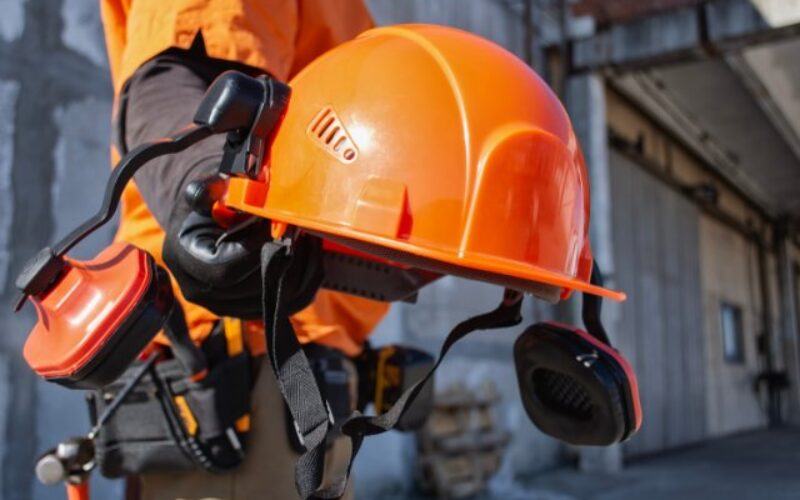
Earplugs and earmuffs are common forms of hearing protection, but simply owning them is not enough. They need to be appropriate for the noise exposure and worn correctly. Hearing protection should also work with other required equipment rather than interfering with helmets, eyewear, or communication systems. Noise-related hearing damage can accumulate over time, which makes consistent protection especially important for someone beginning a decades-long career in the trades.
Gloves Need To Fit the Task
Gloves protect against cuts, abrasions, chemicals, heat, and other hazards, but the correct type depends on the work. Heavy work gloves that make sense for material handling may be inappropriate for a task requiring fine dexterity. Chemical-resistant gloves are designed around different exposures than cut-resistant gloves.
There are also situations in which gloves can create an entanglement hazard around rotating machinery. Instead of assuming gloves are always safer, students should follow task-specific procedures and their instructor’s or employer’s requirements.
Inspecting gloves before use is another good habit. Tears, worn areas, chemical degradation, or damaged coatings can reduce the protection they are supposed to provide, making replacement necessary.
Footwear Is Part of the Safety System
Trade work often involves heavy materials, sharp objects, slippery surfaces, uneven ground, and long periods spent standing or walking. Appropriate footwear addresses several of these concerns.
Depending on the job, workers may need protective-toe boots, puncture-resistant soles, electrical hazard protection, slip-resistant footwear, or other specialized features. Fit matters here as well since a student who spends an entire shift distracted by painful footwear may have a harder time concentrating on the work around them. Work boots should be inspected regularly for worn tread, damaged soles, separation, and other deterioration.
Visibility Can Be a Safety Issue
Being seen is particularly important around vehicle traffic and mobile equipment. Road crews are an obvious example, but visibility matters in warehouses, loading areas, construction zones, campus maintenance operations, and other environments where workers and machinery share space.
High-visibility garments commonly combine bright background material with retroreflective components intended to make the wearer more conspicuous under different lighting conditions. Placement matters because reflective material needs to help observers recognize the presence and shape of a person. Details such as reflective tape placement, quality, and visibility are relevant when understanding how visibility-focused clothing is designed to function. Workers should use the type and class of high-visibility apparel required for their specific environment rather than assuming any brightly colored shirt or vest offers equivalent protection.
Head and Respiratory Protection
Hard hats and other protective headgear can be necessary where there is a risk from falling or flying objects, impacts, or certain electrical hazards. Like other PPE, head protection should be appropriate for the task, maintained correctly, and replaced when damage or applicable manufacturer guidance calls for it.
Respiratory protection requires even more care. Dust masks, filtering facepiece respirators, cartridge respirators, and other respiratory equipment are not interchangeable. Workplace respirator use may involve medical evaluations, fit testing, training, and a formal respiratory protection program.
Students should never guess which respirator is appropriate for an exposure. Respiratory hazards are an area where following established workplace procedures is particularly important.
PPE Needs Inspection and Maintenance
Good PPE habits do not stop after equipment is issued. Before use, workers should check equipment for cracks, tears, contamination, worn straps, missing components, poor fit, and other problems that could affect performance.
Cleaning and storage matter, too. Tossing safety glasses into a toolbox can scratch the lenses. Improperly storing protective clothing can contaminate it. Modifying a hard hat or other protective equipment may compromise its intended performance. Following manufacturer instructions and workplace policies helps keep equipment in serviceable condition and makes it easier to identify when replacement is necessary.
Safety Habits Start During Training
Campus labs, technical programs, and apprenticeships give future tradespeople an opportunity to develop routines before entering the workforce. Wearing required protection every time, checking equipment before use, and asking questions when a hazard is unclear can turn safety procedures into normal working habits.
Students should also remember that PPE sits within a larger safety system. Guards, ventilation, barriers, safe operating procedures, training, and other controls are designed to address hazards before PPE becomes necessary. Protective equipment is important, but it should not create a false sense that every unsafe condition becomes acceptable once gloves or safety glasses are on.
For students preparing for hands-on careers, learning PPE basics for anyone entering the skilled trades is ultimately about developing professional judgment. Knowing what equipment is required, why it is required, how it should fit, and when it needs replacement allows new tradespeople to approach practical work with safety already built into their routines.
Image Credentials: By vadish, 1935916121
-------------------------------------------------------------------------------------------------------------
end of post idea
-------------------------------------------------------------------------------------------------------------
view home improvement ideas at our Photo Remodeling center
Helpful article? Leave us a quick comment below.
And please share this article within your social networks.